Medicine

Plant medicine and inflammatory bowel disease

AloewildfoodismOftentimes it is said that herbs don’t work.  Better be careful, we’re told, or they will cause irreparable harm.  Such is the mindset behind conventional wisdom*.

Here is a case demonstrating that certain plants, when administered for the treatment of inflammatory bowel disease, improve the outcome of the condition without causing any adverse events.

Inflammatory bowel disease (IBD) is a condition of chronic inflammation in the digestive tract.  The two most common types of IBD include Crohn’s disease and ulcerative colitis, and are among the top 5 most prevalent gastrointestinal disease conditions in the United States.

Currently, there is no medical cure, yet plants from all over the world are showing efficacy in the treatment of the disease.  In a recent meta-analysis from the World Journal of Gastroenterology, researchers discovered that certain plants may safely induce clinical response and clinical remission in patients with IBD, without causing significant adverse events (1).

The meta-analysis combined the results of 7 separate studies, and revealed these important findings:

  • Clinical response, indicating therapeutic effect on IBD, was significantly demonstrated by Aloe vera and wheatgrass (Triticum aestivum).
  • Clinical remission was significantly demonstrated by wormwood (Artemisia absinthium) and Indian frankincense (Boswellia serrata).
  • The number of patients experiencing adverse events or serious adverse events was not significantly different between those receiving the herbs compared to placebo.

Essentially, we have 4 plants that may safely provide relief for those experiencing inflammatory bowel disease, a condition with medical costs of $1.7 billion per year (2).  Some of the plants can be foraged from the wild, and all can be purchased in supplement form, making it very easy to receive their medicine.

The researchers are not stating, nor am I, that Aloe vera, wheatgrass, wormwood, and Indian frankincense definitely work one hundred percent of the time for the treatment of IBD.  But when no medical cure exists, and the cost for IBD looms at $1.7 billion per year, herbal avenues ought to be explored and pursued, especially when clinically shown to provide relief.

If you are suffering from inflammatory bowel disease, know that there is indeed hope.  It may not come packaged with a set of instructions and a receipt from the pharmacist, but it has been my observation that good things actually do come from the ground.

*Yes, I’m well aware that certain plants are not effective for certain ailments.  I’m also aware that plants are very powerful, and may contain toxic compounds that confer negative effects on the human body.  But generalizing an accusation by claiming that ALL herbs definitely do this, or ALL definitely cannot do that, is amusing at best.

The 10 most common medicinal plants used by Native Americans

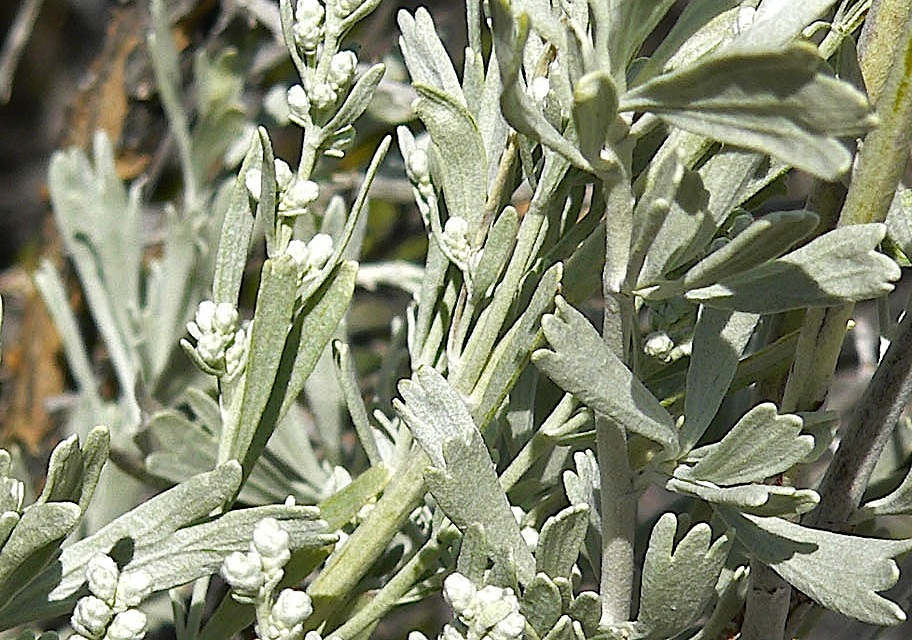
ArtemisiatridentataIn the United States, it’s easier, now more than ever, to acquire calories.  What was once limited to wild pursuits has been tremendously simplified to the process of supermarket harvesting.  And because of this, humans now have a steady supply of calories at their fingertips.

What’s not so easy anymore is the acquisition of medicine.  At first this may sound confusing, as pharmaceutical drugs are readily available from a variety of outlets.  What I am referring to, however, is natural medicine.

The domestication of our food, from the wilderness to the farm, correlates with a decline in phytonutrient levels.  Plant phytonutrients, some of which are antioxidants and anti-microbial compounds, benefit not only the plant itself, but the consumer of the plant as well.  A modern diet of cultivated foods lacks the presence of these natural medicines, and because of this, the health of the standard bitter-deficient dieter suffers.

The conventional solution?  Prescription drugs.  After all, a medicine-deficient dieter has to make up for the loss somehow.  And just what are the most commonly prescribed drugs in America (1)?

  1. Hydrocodone/Acetaminophen
  2. Generic Zocor (simvastatin)
  3. Lisinopril (Prinivil/Zestril)
  4. Synthroid (levothyroxine sodium)
  5. Norvasc (amlodipine besylate)
  6. Prilosec (omeprazole)
  7. Azithromycin (Z-Pak/Zithromax)
  8. Amoxicillin
  9. Generic Glucophage (metformin)
  10. Hydrochlorothiazide

Seems like we have no shortage of individuals with pain, high cholesterol, hypertension, hypothyroidism, acid reflux, bacterial infections, and to top it all off, type 2 diabetes.

It also seems this is what one would expect when most of the medicine in our food is bred out, purified and patented by drug companies, and sold back to us alongside a deficient diet of domesticated food.

Life wasn’t always this way, however.  Native Americans were very aware of the synergy between plants and humans, and incorporated various plants into their lifestyles for not only calories, but for medicine as well.

Daniel E. Moerman, a Native American ethnobotanist, compiled a book examining the plants traditionally used by indigenous cultures in America*.  In a previous post, I discussed the plants, according to Moerman’s research, with the greatest number of uses in several categories, and here I will be presenting the 10 most utilized plants by Native Americans for medicinal purposes.  Among 2,582 species analyzed, this is the list of plants Moerman provides, along with the number of uses amongst different cultures.

  1. common yarrow (Achillea millefolium), 355
  2. calamus (Acorus calamus), 219
  3. big sagebrush (Artemisia tridentata), 166
  4. fernleaf biscuitroot (Lomatium dissectum), 139
  5. common chokecherry (Prunus virginiana), 132
  6. Louisiana sagewort (Artemisia ludoviciana), 128
  7. devil’s club (Oplopanax horridus), 128
  8. common juniper (Juniperus communis), 117
  9. Canadian mint (Mentha canadensis), 115
  10. stinging nettle (Urtica dioica), 114

Many of the plants in this list are native to North America.  Some, however, were introduced in either pre- or post-Columbian times.  Regardless, the Natives were able to utilize an extensive pharmacopoeia to treat a variety of ailments, and did so successfully.  This is a perfect example of using food as medicine, alongside medicine as food.

Today, a different picture is painted.  What was once common knowledge has been lost or almost entirely forgotten.  Not only do people experience sickness due to poor dietary choices, but the issue is exacerbated even more by the lack of expertise in natural treatment.  The outsourcing of our food is essentially leading to the outsourcing of our medicine, ultimately resulting in a sick population that cannot take care of itself.

Something needs to change, evidenced by the fact that 7 out of 10 Americans are taking at least one prescription drug, with more than half that number taking two (2).  I understand the use of medicine in emergency situations, but the reasons for most of today’s prescription sales are due to poor lifestyle habits.  I also understand that a single plant may not hold the cure for a disease.  Cinnamon may not cure diabetes.  Congestive heart failure may not resolve itself through the supplementation of hawthorn alone.  But when used in conjunction with proper diet and lifestyle practices, they may certainly help.

Plant medicine is not wishful thinking.  Plants have been a part of our diet since the beginning of our existence, and surely serve essential functions in keeping us well.  We do not get sick because we lack enough pharmaceutical drugs to keep us well.  We get sick because we lack plant medicine.

If you’re looking for a good place to start, the list above may help.  Reward your body by incorporating more wild plants into your diet.  You deserve it!

*Moerman, D. E. (2008) Native American Ethnobotany. London: Timber Press, Inc.

Wild Immune System Health

medicineAfter posting the article on natural flu protection, I received many requests regarding the particular immune system strategy that I practice.  The three plants I discussed previously (dandelion, black currant, and ginseng) all contain compounds that support a healthy immune system, and while I do incorporate them into my herbal program on occasion, there are a few other powerful organisms that I ingest on a daily basis.

Chaga mushroom (Inonotus obliquus)

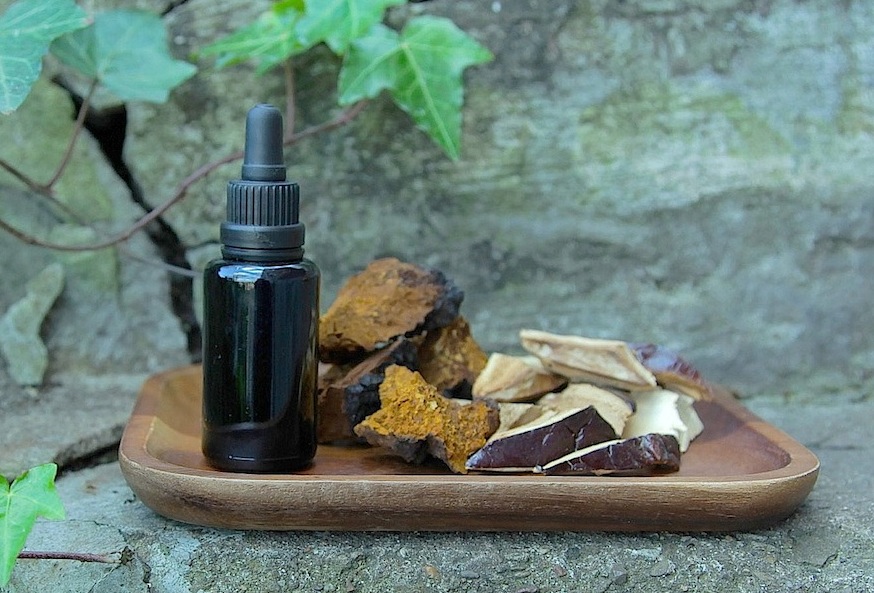
Chaga is a fungus that grows on birch trees in the cooler circumpolar areas of the Northern Hemisphere.  Traditionally it has been used as an herbal adaptogen in Siberian and Asian medicine, and has recently gained popularity in North America.  A few key compounds found in chaga include melanin, polysaccharides, triterpenoids, and polyphenols, all of which have been researched for their antioxidant, anti-tumor, anti-cancer, and anti-inflammatory effects (1,2).

Living in the northern part of the United States, I am fortunate to have access to wild chaga.  I ingest it in two forms as a staple of my herbal program: dual-extracted tincture and hot water decoction (tea).  Hardly a day goes by where I do not consume chaga mushroom, for I know the value that this tonic medicine possesses.

Reishi mushroom (Ganoderma tsugae or Ganoderma lucidum)

Like chaga, reishi mushroom has a long and rich history as a medicine, backed currently by a large amount of scientific research.  Two notable compounds in reishi include polysaccharides and triterpenoids, both of which have been studied for their anti-tumor, antioxidant, anti-cancer, antiviral, and liver-protecting effects (3,4).

Both Ganoderma tsugae and Ganoderma lucidum grow wildly in my area, although I tend to consume more of the former.  Like chaga, I ingest the dual-extracted tincture and hot water decoction on a routine basis (almost daily).

I understand that these medicinal mushrooms do not inhabit every ecosystem, and you may reside in an area that lacks their presence.  If this is the case, do not fret, for you have a few options.  Chaga and reishi can be purchased from a high-quality supplier in many forms (dried, capsules, tinctures).  If you’d like to save money, you can harvest other immuno-supportive plants within your ecosystem.

I am a believer in the theory that all the food and medicine we need grow within our local ecosystem.  Wild-crafted chaga and reishi mushrooms are fundamental to my immune system strategy for two reasons: they have been used traditionally by various cultures and they are very well researched.  Although my personal program is simple, it is extremely effective in keeping my body healthy.  I do not wait until I feel ill before I begin treating myself.  Rather, I consume herbal tonics on a daily basis to keep my immune system finely-tuned and vigilant at all times.

This seems to fly in the face of conventional wisdom.  The mainstream media, through advertisements and commercials, consistently promote synthetic drugs as treatment for illness.  Rarely, if at all, do we hear about all the preventative ways we can keep ourselves well.  Instead of food, medicine, movement, and exercise, we are pummeled with vaccines and drugs as promises for improved health.  A wiser approach, however, would focus less on treatment, and more on natural prevention.

Understand the importance of an immune system strategy, and view it as an insurance policy against sickness and disease.  Familiarize yourself with the natural medicines that grow all around you.  Work with them to strengthen your body, develop resilience against stressors, and enhance your natural immunity.

What strategies do you plan to implement this season?


Like what you’ve read and/or seen?  Sign up below to receive notifications for new posts, and don’t forget to check out the Facebook (facebook.com/wildfoodism) and Twitter (twitter.com/wildfoodism) pages to learn more about wild food nutrition and identification!

Thank you!
Adam Haritan

adamheadshot3

signinformwildfoodism

3 Herbs That Offer Protection Against The Flu

planttubeWhat is the best way to protect yourself against influenza?  According to the CDC, yearly vaccination is the first and most important step.  With so much push by the media, doctors, scientists, and health professionals to get the public vaccinated, one would think this to be the best approach.

But what does the research really say about flu vaccines?  The Cochrane Database of Systematic Reviews, considered a gold standard when it comes to scientifically validating medical interventions, had this to say (emphasis mine) in a review of the published research (1):

“Influenza vaccines have a modest effect in reducing influenza symptoms and working days lost. There is no evidence that they affect complications, such as pneumonia, or transmission.  WARNING: This review includes 15 out of 36 trials funded by industry … The review showed that reliable evidence on influenza vaccines is thin but there is evidence of widespread manipulation of conclusions and spurious notoriety of the studies. The content and conclusions of this review should be interpreted in light of this finding.”

The flu vaccine is not a magic bullet.  When research shows that it may have only a modest effect in reducing symptoms, another strategy is imperative.  There are far superior ways to protect yourself against seasonal illnesses, ways that are a bit less toxic, non-synthetic, and free of unwanted side effects.  In this post, I have uncovered 3 lesser-known natural ways to protect yourself against the flu.

Dandelion (Taraxacum officinale)

Dandelion:  what’s not to love?  It has a long history of traditional use as food and medicine, especially in Native American and Chinese cultures.  Dandelion has been used medicinally as a diuretic and a mild appetite stimulant, as well as a treatment for poor digestion, liver abnormalities, and high blood pressure.

Unbeknownst to some, dandelion also possesses anti-viral action, especially against influenza virus type A.  Research has shown that aqueous extracts of dandelion reduce viral growth by inhibiting viral replication and infection in vitro (2).  Furthermore, there appear to be no side effects associated with the prolonged use of dandelion for therapeutic purposes.

Dandelion is found in all 50 states, most Canadian provinces, and in countries all over the world.  A simple and effective step you can take is to harvest the plants from a clean environment and incorporate them into your dietary and medicinal programs.  Sure, you can purchase dandelion extracts from a retailer, but you can save money and receive numerous auxiliary benefits by seeking them out yourself.

Black currant (Ribes nigrum)

Black currant is a deciduous shrub native to northern Europe and Asia.  Like dandelion, it has a long history of traditional use both as food and medicine.  Oil from its seed is popular in the supplement industry as a source of gamma-linolenic acid, a polyunsaturated fatty acid utilized as a precursor to hormones.

New research has shown that an extract from the leaves of black currant possesses anti-viral activity against influenza type A virus in vivo and in vitro, primarily by preventing viral entry into cells (3).  Furthermore, the extract displayed no side effects in this particular study.  The researchers were so amazed that they classified the black currant leaf extract as a potential supplementary and/or replacement strategy for current anti-influenza treatments.

Black currant’s action as an anti-viral agent is one more reason to include this species in your diet.  Here in the United States, its distribution is more limited than dandelion’s.  If you find it difficult to locate in the wild, you can purchase black currant leaf extracts from retailers.

Ginseng (Panax ginseng)

Ginseng is a perennial plant found in North America and Asia.  It is extensively used in Traditional Chinese Medicine as an immunomodulator and adaptogen, and today it can be readily found in various forms (supplements, drinks, teas, etc.).  While many people think of ginseng as an energizing tonic, it has also been shown to possess powerful anti-viral properties, especially against influenza type A virus.

In one particular study, researchers found that mice treated 6 hours in advance with a red ginseng extract (containing ginseng polysaccharides) survived lethal treatment of influenza virus (4).  Mice that were not given the red ginseng extract all died or were euthanized by day 8, and displayed more severe weight loss than the former group.  This was also shown in another subtype of influenza virus, where results were similar.

Because this study was done in mice, it’s difficult to say that the same results would apply in humans.  But the researchers concluded that consumption of ginseng, along with its polysaccharides, would be beneficial to healthy individuals in preventing unexpected influenza infections.

Ginseng grows wildly in the Northern Hemisphere, although it may be difficult to locate.  Many ginseng supplements are on the market (some much better than others), providing an alternate and easier way to acquire its medicine.

Ginseng, dandelion, and black currant all demonstrate potent anti-viral activity against influenza viruses.  Even better, they perform their roles without any significant side effects.  Remember, receiving the flu vaccine does not guarantee you anything.  Many who get the vaccine, however, take no other actions to protect themselves against illness, thinking that immunity has been granted until next year’s shot.

What a poor strategy.  It makes intuitive sense that a robust immune system would be necessary for protection against viruses, bacteria, toxins, etc.  When there is hardly a push to get the public proactive in taking care of their health through proper diet, exercise, and other good lifestyle habits, no wonder people think that prevention equals vaccination.

What does a responsible adult do?

A responsible adult does the research.  She examines the scientific literature and decides the best course of action for her and her family.  She practices an immuno-supportive lifestyle, ingesting high quality foods and natural herbal medicines from her ecosystem.  Because of this proactive lifestyle, the responsible adult puts her and her family’s health first, with no influence from the mainstream media.  She knows that her family’s health is stronger than it ever has been without any help from conventional medicine, and because of this, she makes the most responsible decision.

My advice?  Implement an immuno-protective strategy.  Consume high quality foods and herbs.  Practice that which supports a healthy mind and body.  Do the research.  Make an informed decision.

Thanks for reading, and as always … happy foraging!


Like what you’ve read?  Sign up below to receive notifications for new posts, and don’t forget to check out the Facebook (facebook.com/wildfoodism) and Twitter (twitter.com/wildfoodism) pages to learn more about wild food nutrition and identification!

Thank you!
Adam Haritan

adamheadshot3

signinformwildfoodism

The Standard Bitter-Deficient Diet

garlicmustardIn the previous post, I discussed the role of wild food as medicine and examined the utility of wild plants in a particular Lebanese population.  In the Bekaa Valley, some of the most commonly foraged items act not only as fuel, but as medicine, too.

For many reasons, wild plants are, on average, more nutritious than their cultivated counterparts.  This is in large part due to the amount of phytonutrients they contain.  Because organisms in the wild do not rely on human intervention for their survival, they must develop their own strategies to protect themselves.  These strategies can include mechanical defenses (thorns), camouflauge, and chemical defenses (alkaloids, phenolic compounds).

Humans have been breeding out many of the bitter (read: medicinal) compounds in a trade-off for bigger and tastier yields.  Because of this, many nutrient deficiencies and degenerative diseases have become commonplace in the world of domesticated diets.

Is it possible to ameliorate this dilemma by re-introducing bitter foods into the standard bitter-deficient diet?  Are consumers eager to explore the world of lost medicine and sacrifice taste in exchange for health?

A review published in the American Journal of Clinical Nutrition (1) examined this issue, and concluded that most tastes associated with plant medicine, like bitter, acrid, and astringent are aversive to consumers, necessitating scientific modification for inclusion into the typical Western diet.

Before I get into the ramifications of this subject, I’d like to review two of the plant compound classes discussed in this article.

Tannins

Tannins are water-soluble polyphenolic compounds that have been selectively bred out of many foods in the human diet.  True, these bitter molecules can pose a threat to health, as they can interfere with protein absorption and the availability of iron, but they are nevertheless present in several wild foods.  Indigenous cultures employed a variety of mechanisms to reduce the tannin content of plants (leaching from acorns), and although these processes were effective, it’s not hard to imagine that some tannin residue was left.

And what might the effect be of low-tannin consumption?  Not surprisingly, research suggests that tannins possess beneficial activity against carcinogens, microbes, and oxidation in small doses (2,3).  These plant compounds are there to defend the organism against predation, and small amounts may confer protective effects to the consumer as well.

Flavonoids

Flavonoids are polyphenolic compounds that act as pigments and antioxidants in plants.  Examples include quercetin, naringin, and hesperidin.  Because they impart a bitter flavor to plants, food companies are keen on decreasing the amount of these compounds in their products.  This is commonplace in the citrus industry.

But flavonoids have been shown to act as antioxidants, anti-inflammatories, and anti-thrombotic agents in the reduction of cardiovascular disease (4).  Tampering with the quantity of flavonoids in the human diet may promote unintended side-effects by diminishing the ability of the body to defend itself against disease.

It’s important to understand the traditional use of wild plants in the context of the human diet.  There’s no denying the toxic effects of certain plants, even edible ones.  But remember, a wild food diet doesn’t rely on one item for all its nutrition.  Doing this can present problems to a population (think maize and pellagra).  Wild Foodism is about broadening the diversity of the diet, spreading out the nutrition and medicine amongst dozens of species to mitigate the chances of intoxicating the body.

But the question remains:  Why don’t we like bitter?  Humans are hypothesized to have developed an aversion to bitter tastes as a protective mechanism against poisonous substances.  It is not necessarily true, however, that the more toxic a plant is, the more bitter it tastes.  Instead, it may be true that adaptation to bitter foods raises the bitter threshold, so that the more bitter an animal’s diet is, the less aversion the diet creates.  For example, herbivores consuming a diet of leaves will display an increased tolerance to bitter foods, while carnivores, who consume little to no plant matter, exhibit very little tolerance (5).

The standard bitter-deficient dieter, who consumes little to none of these acrid tastes, will very likely present a strong aversion to medicinal foods, much to the detriment of his or her health.  This person has no recollection of this taste in its species’ history, and is now like the carnivore who has a very low threshold and strong aversion to bitter foods.  Because of this, the dieter is not receiving adequate natural medicine on a daily basis in dosages that are just enough to bestow protection from disease.

Back to the ramifications from this article …

The authors discuss a certain problem faced by the food industry, and even label it “The Dilemma.”  In short, because consumers are driven by taste, cost, and convenience, they are essentially demanding food to be cheap and tasty. The food industry is involved in the delicate struggle of nutritionally enhancing foods while simultaneously rendering them acceptable to consumers.  To make up for the loss in phytonutrition, strategies like genetic modification are introduced, as well as the creation of new “functional foods” to insert and/or enhance existing concentrations of nutrients.

Of course, there is no acknowledgement of the underlying issue, which is that we have lost track of our natural diet.  The current Western diet is extremely deficient in natural plant compounds as a result of the 10,000-year agricultural process of breeding out the medicinal agents required for optimal health.  To food scientists, this opens doors of opportunities as they discover new ways to alter the current food supply in such a way as to add back in the lost medicine.  More technological innovation is not the answer, however.  It is precisely the reason for this problem.

A real solution would be to educate individuals on the properties wild foods possess and then gradually re-introduce these foods back into the diet of modernized Homo sapiens.  For example, if you find it hard to consume bitter greens, start with the ones you currently like and slowly add in the wild varieties.  A progression might look something like this: iceberg lettuce, romaine, kale, dandelion.  And for the record, just because a plant is wild does not mean that it is bitter.  Chickweed and violet greens are fairly mild and make a great addition to many meals.

All of this sounds simple and naive, but it is effective.  Perhaps when armed with a strategy like this we would then be less like the carnivore who has no tolerance for bitter tastes, and instead somewhere between it and the herbivore who has adapted fully to a medicine-rich diet (we’ll call this omnivory).

And I’ll propose that we’d be much healthier, too.


Like what you’ve read?  Sign up below to receive notifications for new posts, and don’t forget to check out the Facebook (facebook.com/wildfoodism) and Twitter (twitter.com/wildfoodism) pages to learn more about wild food nutrition and identification!

Thank you!
Adam Haritan

adamheadshot3

signinformwildfoodism

Wild food has medicine

We’re all familiar with the familiar phrase of Hippocrates:  “Let food be thy medicine, and medicine be thy food.”

But notice he didn’t say “Let food be thy source of calories, and medicine be thy white pill that may or may not contribute to a host of undesirable side-effects.”

Food is more than just a source of energy.  It’s more than carbohydrates, fats, proteins, vitamins, and minerals.  Ideally, our food should possess the medicine necessary to keep us well.

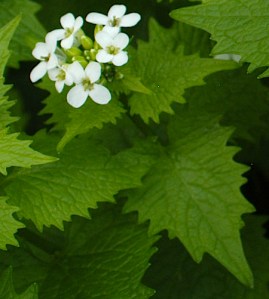
As the agricultural revolution accelerated, the wild plants that once sustained us had most of the bitter medicine bred out of them by humans in a trade-off for taste and size.  These powerful compounds found in a wild plant, like garlic mustard, are what protect it from predation and consumption in the wild.  Through the process of breeding, these protective compounds are mitigated to allow for a tastier crop (think broccoli).  Without these bitter compounds, the cultivated organisms cannot fend for themselves quite like they could in the wild, and are reliant on the services humans provide, like adequate sun exposure, water, food, fencing, etc.

Answer this:  Have you ever seen cauliflower growing in the wild?

No?  Why not?

It is not strong enough to survive on its own.  Through years of domesticating the Brassicaceae genus, most of the protective bitter compounds have been removed.  Today we have “cauliflower,” or a subspecies of Brassica oloracea, which absolutely requires the support of humans for its reproduction and survival.

Cauliflower tastes great (I think so) and has a healthy nutrient profile.  It just doesn’t possess the same medicinal composition that a wild Brassica may contain.

Those who traditionally consume wild plants are aware of the medicinal effects and utilize the food for both nutrition and medicine.  Inhabitants of the Bekaa Valley of north-east Lebanon, for example, are no exception.  There are six of these plants commonly harvested by them in the spring season (1).  They include:

Cichorium intybus (chicory)

Eryngium creticum (eryngo)

Foeniculum vulgare (fennel)

Malva sylvestris (high mallow)

Thymus syriacus (wild thyme)

Gundelia tournefortii (akkoub)

When surveyed about the uses for these particular plants, the individuals discussed their edible properties while mentioning medicinal actions as well.  For example, chicory leaves and stalks are gathered in the spring for consumption, but are also used, according to those interviewed, for their blood-strengthening properties in treating anemia.  Current research shows that chicory is high in folate, at 110 mg per half-cup of chopped, raw leaves.  In treating folate deficiency anemia, chicory may indeed help.

Eryngo, a perennial in the carrot family, is harvested in the Bekaa Valley for its leaves and shoots.  It is prepared either raw or cooked.  When asked about its other uses, the individuals discussed its hypoglycemic effects and its value as an antidote to scorpion poison.  Sure enough, research has confirmed both the hypoglycemic action of eryngo’s aerial parts in rat studies, as well as the potent antidote activity from its leaves.

You see, it isn’t difficult to treat oneself without conventional supplementation.  The consumption of wild plants makes it very easy to receive nature’s medicine in a complete package, devoid of the major side-effects modern pharmaceuticals present.

Instead of eating a nutrient-deficient diet of domesticated foods, getting sick from this lack of nutrition and paying companies for drugs that are usually extracted from the wild predecessors to the foods nowadays eaten … we can simply eat more wild food.