Inflammation? Try lemon balm

lemonbalmwildfoodismPerhaps in the not-too-distant past, Homo sapiens were much more intuitive with the natural world.  Plants spoke, and we listened.  They offered their assistance, and we accepted.

Domestication seems to have bred out this innate perception our ancestors once possessed, to the point where, to many, a glance out of today’s window offers barely more than an inanimate, indistinguishable wall of green.

Fortunately, what we fail to glean firsthand from the natural world can be teased apart by conventional science.

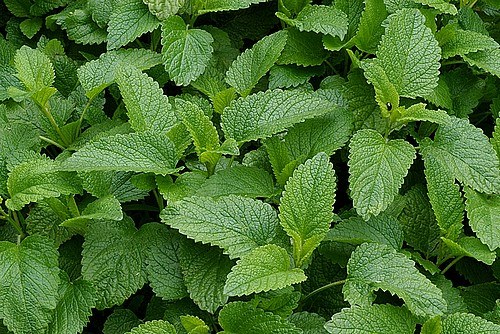
Lemon balm (Melissa officinalis L.) is a plant in the mint family that has traditional usage amongst different cultures around the world, as well as modern scientific research to support its claims.  Native to the eastern Mediterranean region, southern Europe, and western Asia, lemon balm’s targets include the nervous system, as well as the gastrointestinal and respiratory tracts.

Brand new research has just revealed another property of lemon balm, one that has been known by indigenous peoples for centuries, yet never fully recognized by scientific analyses.

Lemon balm, according to recent research, is anti-inflammatory.

A study from 2013 in Advances in Pharmacological Sciences examined the role of lemon balm in the reduction and inhibition of edema in rats (1).  The researchers performed two experiments to induce edema in the study’s rats: injection of carrageenan (extract of seaweed) into the left hind paw, and dropping a 50 gram weight on the left hind paw, of each rat.

(Note: I’m not condoning the use of animals in scientific research; I am simply presenting the information found in the study.)

Prior to these events, an essential oil extract from lemon balm was orally administered in two doses, 200 grams and 400 grams.  A control group, which received a distilled water solution, and another experimental group, which received a non-steroidal anti-inflammatory drug (Indomethacin), were also evaluated.

The results?  Lemon balm essential oil, in doses of 200 grams and 400 grams, significantly reduced and inhibited edema in early stage and late stage inflammation.  This was shown to occur for both the carrageenan- and trauma-induced edema.

There were two other notable findings from this study:

  1. No toxicity or changes in body weight were observed after oral administration of lemon balm at 200 grams and 400 grams, showcasing its safety.
  2. Lemon balm essential oil was more effective at inhibiting edema long-term than the NSAID (Indomethacin), especially at 400 grams in the carrageenan-injected rats.

Here we have a plant that mitigates acute inflammation – a condition that has no doubt been experienced by all.  Although necessary, acute inflmmation can be irritating and overwhelming (think wounds or surgery) and can affect quality of life.  When natural treatments like lemon balm exist, it may be wise to seek them out and implement them into our healing strategies.

Yes, this study was performed on animals, and human beings are not of the murid family.  Keep in mind that Melissa officinalis has been used for the treatment of pain and other inflammatory processes by native peoples, and isolated anti-inflammatory compounds found within lemon balm have been scientifically studied.

Lemon balm is an excellent plant to keep on hand and can be found all over the world.  If you are suffering from an acute injury, irritation, swelling, edema, or wound, consider ingesting lemon balm as a way to combat the inflammation.

And to discover what else lemon balm may assist you with, open your senses and listen closely.  Intuition is a powerful tool.

49 Plants That Treat High Blood Pressure

garlic-and-gingerA middle-aged man approached me the other day, asking if I could provide advice on treating high blood pressure.  “I tried everything,” he said, as I ran through all the standard recommendations.  From our brief interaction, it was clear that diet and lifestyle were the likely culprits, evidenced by his higher-than-average body mass index (BMI), his stressful 70-hour work weeks, and the apparent halitosis (bad breath) he experienced.

In the United States, 67 million American adults (31%) have hypertension, defined as persistently high arterial blood pressure (1).  It is quantified by having a systolic blood pressure (pressure during the contraction phase of the cardiac cycle) of 120 mm Hg or higher, or a diastolic blood pressure (pressure during the relaxation phase of the cardiac cycle) of 80 mm Hg or higher.  Common FDA-approved medications for hypertension include diuretics (water pills), angiotensin converting enzyme (ACE) inhibitors, calcium channel blockers, and beta blockers.

Of course, a problem is never presented without a solution, and in the case of hypertension, many natural solutions exist.  A recent review in the journal Pharmacognosy Review examined the scientific research regarding natural herbs in the treatment of hypertension, and provided a list of 49 potentially effective plants along with their medicinal actions (2).

In this post, I will relay what the authors discovered.  Most of these plants are wild, while some are cultivated.  Regardless, if you experience hypertension and think that you have tried every treatment, confirm your belief with this list.

1. Round leaf buchu (Agathosma betulina)
Round leaf buchu is a South African plant used as an effective diuretic.

2. Garlic (Allium sativum)
In individuals with increased systolic pressure, garlic may decrease blood pressure through the increase of nitric oxide production.

3. Prickly custard apple (Annona muricata)
A leaf extract of this Central American/Caribbean tree may lower elevated blood pressure by decreasing peripheral vascular resistance.

4. Celery (Apium graveolens)
Studies show that the juice and seeds of the celery plant are safe and effective treatments for high blood pressure.

5. Manchurian pipevine (Aristolochia manshuriensis)
This Chinese plant has been studied for its use as a diuretic; magnoflorine, a compound isolated from the plant, displays hypotensive properties.

6. Breadfruit (Artocarpus altilis)
A leaf extract from this species of flowering tree in the mulberry family has been shown to reduce tension in aortic rings in animal studies.

7. Oats (Avena sativa)
The common oat is a soluble fiber-rich cereal grain that has been found to significantly reduce both systolic and diastolic blood pressure in patients with hypertension.

8. Psyllium (Plantago ovata)
Preliminary research shows that a daily 15 gram psyllium supplement can moderately lower systolic blood pressure by about 8 mm Hg, and diastolic by about 2 mm Hg.

9. Tea (Camellia sinensis)
Research on the population level shows that consumption of green tea and oolong tea (different fermentation levels, same plant) is associated with a decreased risk of developing hypertension.

10. Lasaf (Capparis cartilaginea)
This scrambling perennial shrub has been reported to produce a dose-dependent decrease in blood pressure in rats.

11. Ajwain (Trachyspermum ammi)
Ajwain is a parsley-like plant whose extract produces a drop in blood pressure and heart rate in rats.

12. Chaksu (Cassia absus)
A crude extract of this tropical plant produces a dose-related decrease in blood pressure, as well as a decrease in heart rate at higher doses.

13. Coffeeweed (Senna occidentalis)
A small pantropical tree, coffeeweed has traditional use as an antihypertensive agent.  Research has confirmed a relaxant effect on aortic rings from the leaf extract, as well as the ability of the plant to relax smooth muscle and reduce blood pressure.

14. Moreton Bay chestnut (Castanospermum australe)
A crude extract from this South Pacific plant has been shown to reduce blood pressure in a dose-dependent manner.  Note:  the seeds are poisonous, and rendered edible when prepared properly.

15. Coleus forskohlii (Plectranthus barbatus)
Forskolin, a vasodilating compound isolated from this tropical perennial plant, has been shown to reduce blood pressure in animal studies.

16. Virginia dayflower (Commelina virginica)
This perennial herbaceous plant, native to the mideastern and southeastern United States, has been shown to reduce tension of aortic rings in animal studies.

17. Chinese hawthorn (Crataegus pinnatifida)
Chinese hawthorn is a small to medium sized tree that has been used for thousands of years in traditional Chinese medicine.  Scientific research has elucidated its effects in lowering blood pressure.

18. River lily (Crinum glaucum)
An aqueous extract of this West Nigerian plant has been shown to reduce both systolic and diastolic blood pressures.

19. Giant dodder (Cuscuta reflexa)
A crude extract from this parasitic plant in the morning glory family has been shown to reduce blood pressure in animal studies.

20. Wild carrot (Daucus carota)
Also known as Queen Anne’s lace, Daucus carota may lower blood pressure through the blockade of calcium channels.  Caution should be taken when harvesting this plant, as it resembles the deadly poison hemlock (Conium maculatum).

21. Coin-leaf desmodium (Desmodium styracifolium)
Dried leaves and stems from this leguminous plant have been shown to lower arterial blood pressure in animal studies.

22. Hardy fuchsia (Fuchsia magellanica)
Native to South America, hardy fuchsia is a dwarf shrub in the evening primrose family.  An infusion of the leaf extract acts as a diuretic and lowers blood pressure.

23. Soybean (Glycine max)
Soybean may provide a modest reduction in blood pressure.

24. Pima cotton (Gossypium barbadense)
Traditional medicine in Suriname utilizes the leaves of this plant as an antihypertensive agent.  Research has shown Pima cotton to decrease the tension in aortic rings in animal studies.

25. Roselle (Hibiscus sabdariffa)
The roselle is one of the most well-studied plants for the treatment of hypertension.  In human studies, the roselle has been shown to act very similarly to captopril, an ACE inhibitor, in its antihypertensive effects, effectiveness, and tolerance.

26. French lavender (Lavandula stoechas)
Crude extracts of this Mediterranean plant have been shown to lower blood pressure and heart rate in animal studies.

27. Broadleaved pepperweed (Lepidium latifolium)
This edible plant in the mustard family displays diuretic and blood pressure lowering effects in animal studies.

28. Flax (Linum usitatissimum)
Flaxseed is a good source of alpha-Linolenic acid (ALA), a parent fatty acid of the omega-3 fats.  ALA has been shown to possess antihypertensive effects in individuals with high-normal blood pressure and mild hypertension.

29. Black mangrove (Lumnitzera racemosa)
Amongst the mangrove plants, the black mangrove is the most salt tolerant species.  An aqueous acetone extract of this small tree has been shown to display antihypertensive activity.

30. Tomato (Solanum lycopersicum)
An extract of the tomato has been shown to reduce blood pressure in individuals with mild, untreated hypertension.  Additionally, a significant correlation has been discovered between systolic blood pressure and lycopene, a carotenoid pigment in the tomato.

31. Moringa (Moringa oleifera)
A crude extract from Moringa oleifera, the most cultivated plant in its genus, caused a fall in systolic, diastolic, and mean arterial blood pressure in animal studies.

32. African corkwood tree (Musanga cecropioides)
Native to Africa, this straight-stemmed evergreen tree has been studied for its dose-dependent effects on lowering blood pressure.

33. Basil (Ocimum basilicum)
This South East Asian culinary herb exhibits antihypertensive effects through its chemical compound, eugenol.  Also found in spices such as cinnamon, nutmeg, and clove, eugenol works by blocking calcium channels.

34. Harmal (Peganum harmala)
Harmal is a perennial plant that has traditional usage in Turkey and Syria.  A crude extract from harmal exhibits antihypertensive effects in animal studies.  In addition to its blood pressure lowering properties, harmal may have also been an important entheogen in ancient Middle East.

35. Nela nelli (Phyllanthus amarus)
Closely related to chanca piedra (“stone breaker”), this species of Phyllanthus has traditionally been used as a diuretic to lower blood pressure.

36. Maritime pine (Pinus pinaster)
Pycnogenol, an extract isolated from the bark of maritime pine, has been shown to be effective for venous insufficiency.  Research has also shown that 200 mg/day of pycnogenol may modestly lower blood pressure in individuals with mild hypertension.

37. Kudzu (Pueraria lobata)
A member of the pea family, kudzu root is officially recognized in China as a muscle relaxant, fever reducer, and a treatment for hypertension.  An isoflavone extracted from kudzu has been shown clinically to reduce blood pressure and heart rate.

38. Pomegranate (Punica granatum)
Research, although with conflicting results, suggests that pomegranate juice may be effective in reducing blood pressure.

39. Radish (Raphanus sativus)
The edible root of this mustard family plant has been shown to reduce blood pressure and heart rate in animal studies.

40. Snakeroot (Rauvolfia serpentina)
Snakeroot is considered to be one of the most antihypertensive plants.  A purified alkaloid from snakeroot, reserpine, was the first effective drug used in the long term treatment of hypertension, though it is rarely used today.

41. Rhaptopetalum coriaceum Oliver
The bark from this woody, tropical South American plant has been used traditionally as a treatment for hypertension.  Research has revealed that its mechanism of action may be through calcium channel blocking.

42. Sesame (Sesamum indicum)
Sesame is one of the oldest oil-seed crops known.  In patients with hypertension, consumption of sesame oil has been shown to reduce oxidative stress and increase endogenous antioxidant production.  Sesamin, a lignan found in sesame oil, may be useful as a preventative for hypertension.  Alcoholic extraction of the seeds has also been shown to lower blood pressure in animal studies.

43. Sticky nightshade (Solanum sisymbriifolium)
Sticky nightshade has been used in traditional Paraguayan medicine as a diruetic and antihypertensive agent.  Studies in animals have elucidated its role in reducing blood pressure.

44. Cacao (Theobroma cacao)
Studies have shown that consumption of polyphenolic-rich chocolate (dark or milk) can lower both systolic and diastolic blood pressures.  Compounds in chocolate also enhance vasodilation within the cardiovascular system.

45. Wheat bran (Triticum aestivum)
Increasing wheat bran intake by 3-6 grams daily may modestly reduce blood pressure.

46. Cat’s claw herb (Uncaria rhynchophylla)
This flowering plant in the coffee family has been traditionally used in Chinese medicine to lower blood pressure.  Its hypotensive effects may be attributed to the alkaloid, hirsutine, which acts on calcium channels.

47. Mistletoe (Viscum album)
Mistletoe is a hemi-parasitic plant in the sandalwood family.  Aqueous extracts of its leaves display blood pressure lowering effects in animal studies.

48. Wild African black plum (Vitex doniana)
An extract from this flowering plant in the mint family has significantly lowered blood pressure in animal studies.

49. Ginger (Zingiber officinale)
Frequently used for digestive issues, ginger also has been shown to improve blood circulation and relax muscles surrounding blood vessels.  Studies performed on animals have revealed its ability to reduce blood pressure through calcium channel blocking.

There we have it.  Forty-nine plants that may aid in the reduction of blood pressure.  If you (or someone you know) have hypertension, and believe that every treatment has been tried, study this list and see if one or more of these plants can provide assistance.

It should be understood that there is hardly a replacement for optimal diet and lifestyle practices.  A single plant is not the cause of hypertension, therefore a single plant cannot be the cure for it either.

Only with alterations in the way we live our lives – through the food we eat, the water we drink, the air we breathe, the sunshine we receive, our thoughts, actions, relationships, etc. –  can we begin to radically transform our bodies, reclaiming the health and robustness that once defined our species, Homo sapiens.

Thanks for reading, and as always … happy foraging!


Let’s stay in touch!  To receive information from Adam Haritan on wild plant and mushroom identification, please enter your name and email address below.  Thank you!

LearnYourLandnewsletter

Additionally, don’t forget to check out the Facebook and Instagram pages to learn more about wild food nutrition and identification!

Adam Haritan

AdamReishi2017


The Psychological High Of Foraging

chickcleaverswildfoodismThere is a peculiar difference between the acquisition of food from the supermarket and from the wild.  It isn’t a tangible difference, one that can be quantified and explained away with numbers and statistics.  It’s much more abstract than that.

The difference is a feeling that evades the supermarket harvester and will never reveal itself inside grocery store walls.  It is only felt by those who have a much deeper and more intimate connection to their food.

For the majority of time on this planet, humans have directly relied on the bountiful offerings that earth has provided.  Harvesting involved not only the physical process of acquiring food, but the emotional feelings of achievement and personal fulfillment that went along with it.  Food, while plentiful, was never a guarantee, and it’s not hard to imagine periods of ample feasting, followed by fruitless episodes of fasting.  The vicissitudes of obtaining food, therefore, aligned the body’s biological and psychological needs – the physical requirement for food and the emotional thrill in finding it.

Contrast this scenario with the modern supermarket shopping experience.  The biological requirement for food is easily met, yet the psychological thrill of seeking and discovering that food is extremely diluted (at best).

Going into the grocery store, the shopper already knows, almost precisely, which foods will be there and where they will be found.  Mindlessly perusing the aisles, dodging the other loaded shopping carts, the shopper may never even entertain the thought of where the food comes from, what conditions it grows in, and how it appears to be so neatly manicured on the grocery store shelf.

There is no hunt for the food, no chase, no challenge, no journey, no story to be told.  And because of all this, the psychological high is restrained.  The connection is lost; the process is too easy.

The forager experiences a different adventure altogether.  His food selection is dictated by the natural laws of his ecosystem – not by the global food network.  As an astute forager, he can predict when and where certain foods can be found.  But his experience is almost always enhanced by the discovery of new areas, new patches, new springs, new organisms, new highs.

As an example, mushroom hunting embodies the essence of this psychological high, where each foray is a treasure hunt into a mysterious world within valleys, riverbanks, fields, and forest floors.  The fungal kingdom is a bit less calculable than that of Plantae – always full of surprises, always feeding the forager’s thrill.  The mushrooms in the grocery store?  Not quite the same.

It’s difficult to put into words the specific feeling evoked when discovering new foods in the wild.  It seems that, at least to me, this feeling fulfills an inherent urge deep within the human spirit – to explore this world and participate in the act of accepting its gifts, while giving thanks in return for all that is selflessly given.

As one who experiences both realms, I can say this:  Shopping is predictable; foraging is boundless.  Shopping is taking; foraging is receiving.  Shopping is an activity; foraging is an adventure.  Shopping provides an account; foraging tells a story.  Shopping feeds the belly; foraging satisfies the soul.


Like what you’ve read?  Sign up below to receive notifications for new posts, and don’t forget to check out the Facebook page (facebook.com/wildfoodism) to learn more about wild food nutrition and identification!

Thank you!
Adam Haritan

adamheadshot3

signinformwildfoodism

The Problem With Nut Milks (And A Recipe For Acorn Milk)

acornmilkwildfoodismDairy-free milks are skyrocketing in popularity, and the options presented to consumers seem endless.  While nut milks do offer an alternative to those avoiding dairy, there are two areas in which customers would benefit by increasing their awareness:  packaging and additives.

Packaging

When shopping for nut (and seed) milks, most customers place more emphasis on type of milk rather than type of packaging.  Dairy milk is often sold in “number 2” plastic, also known as high-density polyethylene, while nuts milks are not.  Avoiding plastic jugs and opting for the paperboard cartons may seem prudent, but it isn’t always so.

Nut milks, as well as some dairy milks, are traditionally sold in paperboard containers (also known as gable-top containers).  They’re not, however, solely constructed out of paper.  The outer and innermost layers are lined with a chemical plasticizer (“number 4” plastic) known as low-density polyethylene (LDPE).  Without this coating, the paperboard would become soggy and unable to support the liquid.

poly

What’s the issue with this compound?  LDPE takes a very long time to biodegrade in the environment.  It can be recycled, but the EPA estimates that only about 5.7% of LDPE is actually recycled by consumers.  There isn’t a lot of research examining the effects of LDPE on human health, but let’s think about it:  we’re drinking liquid that has been inconspicuously exposed to plastic, sometimes for weeks – a plastic that also requires an extremely long time to naturally biodegrade.  This is just a hypothesis, but if the plastic leaches into the nut milk and we consume this milk, could routine exposure to non-biodegradable LDPE build up inside our bodies, assuming some of it is incorporated into our tissues?  If this is the case, what are the health implications?  We’re all familiar with the endocrine disrupting properties of plastics (BPA containing or not); is LDPE any different?  Milk for thought.

Additives

Look at the ingredient list for most dairy-free milks.  Very rarely do we only see the two most important ingredients: water, and the nut (or seed).  Instead, we’re given a catalog of additives, including vitamins, sugars, thickeners, preservatives, and flavors.  Are they necessary?  Why are they added?

Carrageenan, for example, is a polysaccharide extracted from seaweed that is used as a thickener in many nut milks.  It isn’t as innocuous as one would think.  In one study, researchers found that exposure to carrageenan in concentrations less than those found in the typical diet increased cell death, reduced cell proliferation, and induced cell cycle arrest in human intestinal epithelial cells (1).  In another study, intestinal epithelial cells exposed to carrageenan upregulated the inflammatory response (2).

Of course, these two studies don’t rule out the use of carrageenan completely.  And going back to LDPE – the “number 4” plastic – it may not be the absolute worst thing ever if our milk comes into contact with a synthetic compound that biodegrades at an extremely slow rate.

But we’ve got to ask ourselves this question:  why exactly are these substances in our food supply?  Are they added to benefit human health?  Probably not.  Would our bodies become deficient in a particular substance should they not be included?  Again, probably not.  Do they increase shelf life?  Yes.  Do they make shipping and storage easier?  Yes.  Do they improve flavor and mouthfeel (and sales)?  Yes.  Do most of the benefits accrue to the companies who produce these beverages?  Yes.

If something is added to our food supply, and it’s not there to provide nutritional support, it’s probably not going to be the best thing for our bodies.  Now, I am all for looking at things in the context of the bigger picture, but when the bigger picture becomes inundated with products that have absolutely no traditional use, nor research demonstrating their positive effects on human health, I’ve got to ask myself, “Is this okay?”

If you are on the quest towards optimal and adaptive health, and you feel it’s important knowing what substances your body is routinely exposed to, familiarize yourself with all the things that pass through your mouth.   And then ask yourself, “Is this okay?”

Acorn milk

Not all nut and seed milks present the same problems.  The issues stated above refer mostly to the store-bought varieties, and not to those made at home.  Unless you’re deliberately adding thickeners, highly refined sweeteners, and unmarked natural flavors into your concoctions, home-made nut milks can be quite nutritious and satisfying.

Acorn milk is truly a wild beverage that can easily be made with very little cost.  In order to create the drink, acorns must first be processed (gathered, dried, shelled, leached).  On the final day of leaching, decant the final leaching water (this will not be the water used for milk) and transfer the wet acorn mush to a nut milk bag or cheesecloth, allowing the excess water to percolate into a jar or bowl.  Once the acorns stop dripping, squeeze the cloth or bag to allow any remaining water to drip.  The water you have collected will be used for acorn milk.

On the stove, bring the liquid to a boil.  Once cooled, add in a sweetener of your choice (maple syrup or honey works well), and enjoy.  Any unused liquid can be stored in the refrigerator for a few days.


Like what you’ve read?  Sign up below to receive notifications for new posts, and don’t forget to check out the Facebook page (facebook.com/wildfoodism) to learn more about wild food nutrition and identification!

Thank you!
Adam Haritan

adamheadshot3

signinformwildfoodism

Traditional Use Of Animals As Medicine

Indianwildfoodism

Credit: Edward S. Curtis, 1910

When thinking of natural medicine, most of us think of plant medicine.  After all, most supplements sold in stores, other than vitamins and minerals, are derived from plants and sold as tinctures, capsules, powders, etc.  But if we’re looking at medicine in the context of a wild food diet, it would be unreasonable to think that all remedies stem from the plant kingdom.  In fact, indigenous cultures across the world utilize natural medicines from many kingdoms, Animalia included.

Today, this practice is not uncommon among modern, domesticated humans, although it may not be so obvious.  For example, gelatin is a popular joint-support supplement, and is derived primarily from pork skins, horses, cattle bones, or split cattle hides.  Fish oil is another highly touted supplement indicated for a variety of conditions, and is obviously derived from the tissues of oily fish.  Gelatin and fish oil are sourced from animals that are used both as food and medicine, thus fulfilling the famous dictum, “Let food be thy medicine, and medicine be thy food.”

Many indigenous cultures implement extensive strategies that include animals for the treatment of illnesses.  To these individuals, animals are not exclusive sources of concentrated protein, nor just good sources of fatty nourishment.  Their utility extends far beyond the provision of macronutrients, supplying important therapeutic agents as well.

This post will focus on three areas of the world, briefly summarizing the ethnozoology of the cultures within these environments.  It’s important to understand the value that animals contribute to certain groups of people, as some individuals, here in modern civilization, might associate the use of animals with abuse, greed, and waste.  While these terms may accurately describe some conventional methods of animal harvesting, they cannot be generalized to include traditional animal preparation involving responsibility, intention, and care.

Brazil

Home to over 200 indigenous cultures, Brazil is unique in that it possesses between 15-20% of all the world’s biological diversity.  Wild food and medicine are utilized not only by the inhabitants of remote areas, but by those who live in civilization as well.  And as you might guess, animals are important to the medicinal strategies implemented throughout Brazil (1).  Of the 354 animals used as medicine, 157 of them are also used as food (about 44%).

The animals used as both medicine and food can be divided into 6 categories in descending order of use: fish (77 species; 49.0%), followed by mammals (35; 22.3%), reptiles (20; 12.7%), birds (11; 7.0%), crustaceans (9; 5.7%), and mollusks (5; 3.2%).  With many coastal areas, it is no surprise that fish and other aquatic organisms comprise the largest portion of animal medicine in Brazil.

Looking deeper, we find that certain animals are used primarily for medicine, and not so much for food.  The Boa constrictor (B. constrictor), for example, is utilized for rheumatism, lung disease, and thrombosis.  Other animals, however, are used primarily for dietary nourishment, while their various bodily components provide medicine.  The caiman animals, which include small crocodilians, are hunted for their meat, while the teeth, skin, fat, and penis are used for conditions including asthma, stroke, bronchitis, backache, and sexual impotence.  Likewise, the meat of armadillos is consumed, while the tail and skin are used to treat earaches and asthma.  Amulets made from animal parts are also worn by individuals as protection, further demonstrating the numerous roles animals play in the well-being of Brazilians.

India

In India, medicinal animal use has been documented not only in Ayurvedic medicine, but in indigenous culture practices throughout the country as well (2).  Approximately 109 species of animals are used as medicine in India.  In descending order of use, mammals rank highest (44 species; 40%), followed by invertebrates (24; 22%), birds (18; 17%), reptiles (12; 11%), fish (9; 8%), and amphibians (2; 2%).

While animals provide medicine for a variety of ailments in India, the majority are used for respiratory problems (42 species, 38.5%).  Rheumatic pains (32, 29.4%) and gastric disorders (22; 20.2%) rank second and third, with other conditions including skin issues, impotency, and eye and ear problems.  For example, legs of the Indian Peafowl (Pavo cristatus), a large bird in the pheasant family, are used to treat ear infections.  Paralysis and sexual impotency are treated with oil from the red velvet mite (Trombidium grandissimum).

Animal flesh, while providing substantial calories and macronutrients, ranks highest in medicinal use among animal parts.  Honey, milk, mucus, and eggs are also widely used, as well as urine, fat, blood, and antlers.  But even though numerous animals and animal parts are indicated for various ailments, knowledge about animal medicine is fading and falling out of practice, especially when compared to plant medicine.  India is becoming more modernized like most areas of the world, and traditional methods of living and healing are slowly becoming replaced by conventional standards.

Korea (Jeju Island)

Compared to the Korean Peninsula, Jeju Island retains a more abundant biological diversity, as it experiences climate conditions ranging from the subtropic to subarctic.  The island is situated to the south of the Korean Peninsula, and was created through volcanic activity approximately two million years ago.

It is estimated that about 77 species of animals are used by the inhabitants of Jeju Island (3).  Fish occupy the greatest number of uses (28 species; 36%), followed by mammals (15; 19%), mollusks (13; 17%), arthropods (8; 10%), birds (4; 5%), and echinoderms (3; 4%).  Much like Brazil, Jeju Island relies heavily on aquatic organisms for food and medicine, as evidenced by the proportion of these animals used.

Since the 13th century, Jeju Island has been a major horse-breeding region.  It is no surprise, then, that out of all the animals used as medicine, the horse (Equus caballus) is used for approximately 14 different ailments.  Horse bones are decocted, simmered, extracted, or powdered to treat a variety of conditions, primarily bone diseases and arthritis.

Another common treatment involves the Korean blackish cicada (Cryptotympana dubia).  The larva is juiced and ingested orally for the common cold, cough, and fever.  Interestingly, recent research has confirmed antimicrobial action by a peptide extracted from the Korean blackish cicada, which is effective against two antibiotic-resistant bacterial strains: methicilin-resistant S. aureus (MRSA) and vancomycin-resistant Enterococci (4).

The list of ailments treated is vast, ranging from genitourinary system disorders to poisonings.  And although animals still play a major role in traditional Korean medicine, knowledge regarding their value has the potential to be lost on Jeju Island, as most of it is retained by the aging senior population.

By now, it’s quite apparent how important animals are in the traditional medical systems of various cultures.  Those who live closest to the land understand the value all organisms provide in maintaining a healthy and balanced ecosystem, both external to the body and within.

An adulterated form of this practice is still performed today in American medicine, as animal-derived substances comprise a portion of the pharmaceutical drugs on the market.  For example, Premarin, a medication consisting of conjugated estrogens, is derived from pregnant mares’ urine.  The cochineal (Dactylopius coccus), a small insect native to South America and Mexico, is used to produce a red-colored dye as coloring for ointments and pills.  The difference today, however, is that many people may not even be aware that they are consuming animals as part of their medical treatments.  Such is the unilluminated life of the modern domesticated human.

What do we make from all this?  Understand that medicine does not start and end with the botanical world.  Animals have always been essential to the livelihoods of various peoples, providing food, shelter, warmth, protection, tools, companionship, and medicine.  Certain movements today promote the abstinence of all animal products.  While individual choice must be respected for any reason in doing so, realize that by eschewing an entire kingdom of life, all medicines derived from it are withheld as well.

If you are unfamiliar with the traditional use of animals within your ecosystem, I encourage you to research for yourself and discover all the fascinating ways natural Homo sapiens have always interacted with the kingdom Animalia, both for food and medicine.


Like what you’ve read and/or seen?  Sign up below to receive notifications for new posts, and don’t forget to check out the Facebook (facebook.com/wildfoodism) and Twitter (twitter.com/wildfoodism) pages to learn more about wild food nutrition and identification!

Thank you!
Adam Haritan

adamheadshot3

signinformwildfoodism

Plant medicine and inflammatory bowel disease

AloewildfoodismOftentimes it is said that herbs don’t work.  Better be careful, we’re told, or they will cause irreparable harm.  Such is the mindset behind conventional wisdom*.

Here is a case demonstrating that certain plants, when administered for the treatment of inflammatory bowel disease, improve the outcome of the condition without causing any adverse events.

Inflammatory bowel disease (IBD) is a condition of chronic inflammation in the digestive tract.  The two most common types of IBD include Crohn’s disease and ulcerative colitis, and are among the top 5 most prevalent gastrointestinal disease conditions in the United States.

Currently, there is no medical cure, yet plants from all over the world are showing efficacy in the treatment of the disease.  In a recent meta-analysis from the World Journal of Gastroenterology, researchers discovered that certain plants may safely induce clinical response and clinical remission in patients with IBD, without causing significant adverse events (1).

The meta-analysis combined the results of 7 separate studies, and revealed these important findings:

  • Clinical response, indicating therapeutic effect on IBD, was significantly demonstrated by Aloe vera and wheatgrass (Triticum aestivum).
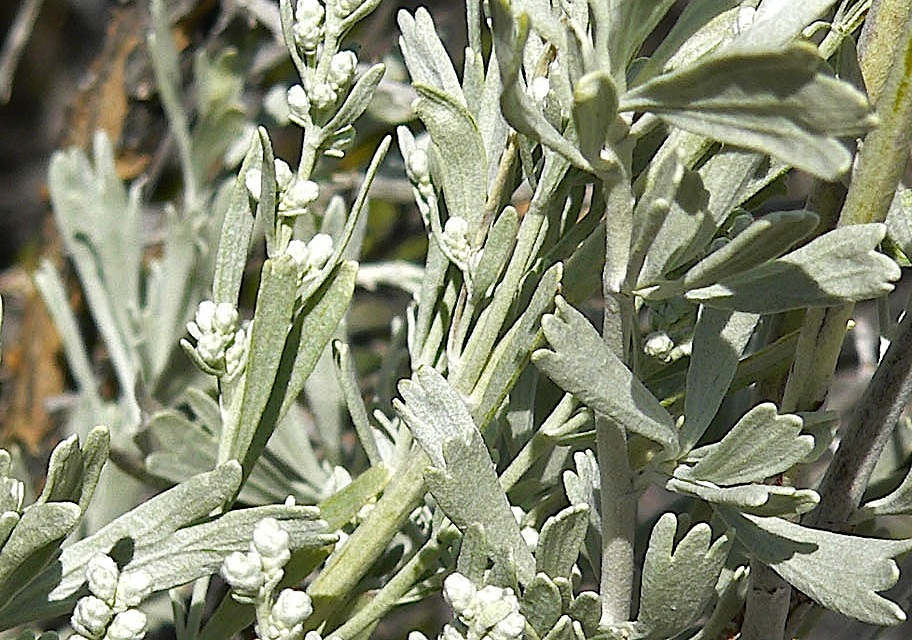
  • Clinical remission was significantly demonstrated by wormwood (Artemisia absinthium) and Indian frankincense (Boswellia serrata).
  • The number of patients experiencing adverse events or serious adverse events was not significantly different between those receiving the herbs compared to placebo.

Essentially, we have 4 plants that may safely provide relief for those experiencing inflammatory bowel disease, a condition with medical costs of $1.7 billion per year (2).  Some of the plants can be foraged from the wild, and all can be purchased in supplement form, making it very easy to receive their medicine.

The researchers are not stating, nor am I, that Aloe vera, wheatgrass, wormwood, and Indian frankincense definitely work one hundred percent of the time for the treatment of IBD.  But when no medical cure exists, and the cost for IBD looms at $1.7 billion per year, herbal avenues ought to be explored and pursued, especially when clinically shown to provide relief.

If you are suffering from inflammatory bowel disease, know that there is indeed hope.  It may not come packaged with a set of instructions and a receipt from the pharmacist, but it has been my observation that good things actually do come from the ground.

*Yes, I’m well aware that certain plants are not effective for certain ailments.  I’m also aware that plants are very powerful, and may contain toxic compounds that confer negative effects on the human body.  But generalizing an accusation by claiming that ALL herbs definitely do this, or ALL definitely cannot do that, is amusing at best.

Traditional use of 4 Thanksgiving herbs

WildFoodismUmbellulariaHoliday dietary advice usually focuses on the amount of food eaten, and the guidance almost always pertains to the idea of “food as calories.”  I’ve never been told to watch my intake of plants, nor to be cautious of all the natural medicine I may be receiving, because let’s face it:  we tend to view food as a source of macronutrients only (carbs, fats, proteins).

It’s easy to overlook the herbs, spices, and seasonings used in holiday dishes.  Without them, however, no meal would seem complete.  I’d like to showcase some of the plants that play a starring role in the modern American Thanksgiving menu, and briefly summarize their traditional usage in North America*.

Now, I understand that the real story of Thanksgiving is a bit murky, and may be perceived differently depending on cultural beliefs.  It is not my intention to discuss this particular issue.  Rather, I am simply presenting 4 herbs that are used today in Thanksgiving meals, and linking them back to their utilization centuries ago.  The first two plants are native to North America, while the remaining species were introduced from different continents.

Sage (Salvia spp.)

Salvia is the largest genus in the mint family, and many of its species have been used by the indigenous peoples of North America (thistle sage, gray ball sage, purple sage, lyreleaf sage, black sage, etc.).  I will be focusing solely on one particular species: Salvia apiana, or white sage.

The Cahuilla, Native Americans who primarily inhabit southern California, used white sage as a cold remedy and dermatological aid, and also seasoned their food with the aromatic leaves.  Like the Cahuilla, other southwestern groups, such as the Kumeyaay and Luiseño, ate the seeds dry or as a porridge, known as pinole.

Today, we can receive the non-conventional benefits of white sage quite simply.  For example, herbal decoctions can be brewed, and smudge sticks can be created using the plant.  Its distribution is limited to the Pacific Southwest, but the conveniences of modern living have allowed cultivated sage to be readily available in supermarkets across the globe.

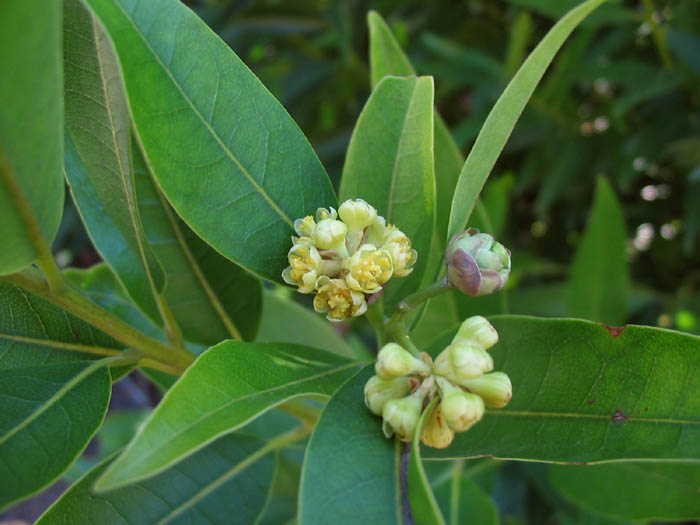
Bay leaf (Umbellularia californica)

Leaves from several different species refer to the bay leaves used in cooking, and are found growing in several continents. The species native to North America is referred to as the California bay laurel, a perennial evergreen tree found in California and southern Oregon.

Several parts of the plant were used by Natives of the Pacific coast, including the Cahuilla, Karuk, Pomo, and Yuki peoples.  Leaves were steeped as an infusion for stomachaches, the flesh and inner-kernel of the fruit were used as food, and branches were placed around households to repel insects.

The California bay laurel contains aromatic camphor-like volatile oils, and is more potent than the commercially available European bay leaf (Laurus nobilis).  If used in cooking, a smaller amount is needed to achieve the desired effect.

Thyme (Thymus praecox ssp. arcticus)

Creeping thyme is another plant in the mint family.  Unlike white sage and the California bay laurel, creeping thyme is native to Europe, and only became widespread in North America upon introduction.  Still, the Delaware Natives utilized creeping thyme as a febrifuge, and would administer the plant for individuals experiencing fever or chills.

What was once a cultivated ornamental has escaped to become a somewhat invasive species here in the United States.  Various states and provinces throughout North America host wild thyme, as do several countries throughout the world.  As many are aware, thyme makes an excellent addition to Thanksgiving fare, contributing not only flavor, but medicine as well.

Parsley (Petroselinum crispum)

Parsley is another plant native to Europe that, when introduced to North America, became utilized by various groups for specific conditions.  For example, the aerial and root components were used by the Cherokee as abortifacients and gynecological, kidney, and urinary aids.  The Mi’kmaq, who are indigenous to Canada’s Maritime Provinces, used the herb as a urinary aid, specifically for the condition of “cold in the bladder.”

Wild parsley can be found scattered throughout the United States and Canada, among other areas of the world.  A word of caution for foragers: poison hemlock (Conium maculatum), also in the carrot family, resembles parsley yet is highly toxic to animals and humans.  That said, there are noticeable differences between the two species, and it is best to familiarize oneself with both organisms before harvesting.

Of course, substituting wild herbs for the store-bought, cultivated varieties isn’t the only way to enhance the experience of Thanksgiving.  One could also harvest wild turkey (Meleagris gallopavo), collect bog cranberries (Vaccinium oxycoccos), and process acorns (Quercus) into stuffing, transforming the traditional Thanksgiving celebration into the wildest holiday imagined.

But don’t worry if you’re not there yet.  I’m certainly not, but strive each day to reach that place.

And what greater way to say “thank you” than sharing the incredible resources, given freely to us by nature, with friends and family?

*Moerman, D. E. (2008) Native American Ethnobotany. London: Timber Press, Inc.

The 10 most common medicinal plants used by Native Americans

ArtemisiatridentataIn the United States, it’s easier, now more than ever, to acquire calories.  What was once limited to wild pursuits has been tremendously simplified to the process of supermarket harvesting.  And because of this, humans now have a steady supply of calories at their fingertips.

What’s not so easy anymore is the acquisition of medicine.  At first this may sound confusing, as pharmaceutical drugs are readily available from a variety of outlets.  What I am referring to, however, is natural medicine.

The domestication of our food, from the wilderness to the farm, correlates with a decline in phytonutrient levels.  Plant phytonutrients, some of which are antioxidants and anti-microbial compounds, benefit not only the plant itself, but the consumer of the plant as well.  A modern diet of cultivated foods lacks the presence of these natural medicines, and because of this, the health of the standard bitter-deficient dieter suffers.

The conventional solution?  Prescription drugs.  After all, a medicine-deficient dieter has to make up for the loss somehow.  And just what are the most commonly prescribed drugs in America (1)?

  1. Hydrocodone/Acetaminophen
  2. Generic Zocor (simvastatin)
  3. Lisinopril (Prinivil/Zestril)
  4. Synthroid (levothyroxine sodium)
  5. Norvasc (amlodipine besylate)
  6. Prilosec (omeprazole)
  7. Azithromycin (Z-Pak/Zithromax)
  8. Amoxicillin
  9. Generic Glucophage (metformin)
  10. Hydrochlorothiazide

Seems like we have no shortage of individuals with pain, high cholesterol, hypertension, hypothyroidism, acid reflux, bacterial infections, and to top it all off, type 2 diabetes.

It also seems this is what one would expect when most of the medicine in our food is bred out, purified and patented by drug companies, and sold back to us alongside a deficient diet of domesticated food.

Life wasn’t always this way, however.  Native Americans were very aware of the synergy between plants and humans, and incorporated various plants into their lifestyles for not only calories, but for medicine as well.

Daniel E. Moerman, a Native American ethnobotanist, compiled a book examining the plants traditionally used by indigenous cultures in America*.  In a previous post, I discussed the plants, according to Moerman’s research, with the greatest number of uses in several categories, and here I will be presenting the 10 most utilized plants by Native Americans for medicinal purposes.  Among 2,582 species analyzed, this is the list of plants Moerman provides, along with the number of uses amongst different cultures.

  1. common yarrow (Achillea millefolium), 355
  2. calamus (Acorus calamus), 219
  3. big sagebrush (Artemisia tridentata), 166
  4. fernleaf biscuitroot (Lomatium dissectum), 139
  5. common chokecherry (Prunus virginiana), 132
  6. Louisiana sagewort (Artemisia ludoviciana), 128
  7. devil’s club (Oplopanax horridus), 128
  8. common juniper (Juniperus communis), 117
  9. Canadian mint (Mentha canadensis), 115
  10. stinging nettle (Urtica dioica), 114

Many of the plants in this list are native to North America.  Some, however, were introduced in either pre- or post-Columbian times.  Regardless, the Natives were able to utilize an extensive pharmacopoeia to treat a variety of ailments, and did so successfully.  This is a perfect example of using food as medicine, alongside medicine as food.

Today, a different picture is painted.  What was once common knowledge has been lost or almost entirely forgotten.  Not only do people experience sickness due to poor dietary choices, but the issue is exacerbated even more by the lack of expertise in natural treatment.  The outsourcing of our food is essentially leading to the outsourcing of our medicine, ultimately resulting in a sick population that cannot take care of itself.

Something needs to change, evidenced by the fact that 7 out of 10 Americans are taking at least one prescription drug, with more than half that number taking two (2).  I understand the use of medicine in emergency situations, but the reasons for most of today’s prescription sales are due to poor lifestyle habits.  I also understand that a single plant may not hold the cure for a disease.  Cinnamon may not cure diabetes.  Congestive heart failure may not resolve itself through the supplementation of hawthorn alone.  But when used in conjunction with proper diet and lifestyle practices, they may certainly help.

Plant medicine is not wishful thinking.  Plants have been a part of our diet since the beginning of our existence, and surely serve essential functions in keeping us well.  We do not get sick because we lack enough pharmaceutical drugs to keep us well.  We get sick because we lack plant medicine.

If you’re looking for a good place to start, the list above may help.  Reward your body by incorporating more wild plants into your diet.  You deserve it!

*Moerman, D. E. (2008) Native American Ethnobotany. London: Timber Press, Inc.