Medicine

7 Natural Tick Repellents From The Plant Kingdom

deertickwildfoodismForaging for food in the supermarket is just a bit different from foraging for food in the wild, wouldn’t you say?

While both scenarios present a set of challenges (in the supermarket:  beating the weekend rush, using coupons before their expiration dates, enduring the dreadful parking lots, etc.), wild food foraging may be known to pose the more immediate threats (misidentification, embracing the elements of nature, etc.).

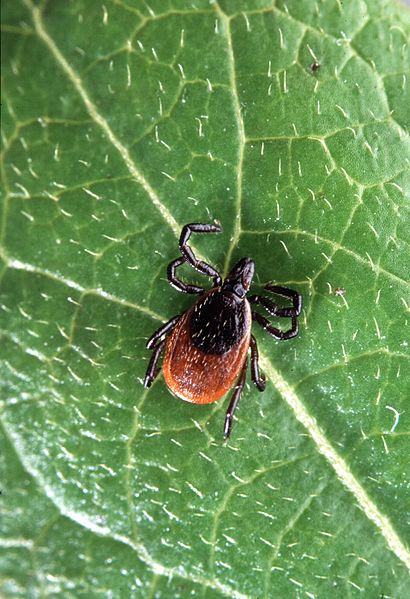
One of the challenges of being a wild food enthusiast in Pennsylvania is exposure to ticks.  These small arachnids, particularly the deer ticks (i.e. blacklegged ticks), are no small threats, as they are vectors for illnesses including Lyme disease, ehrlichiosis, and anaplasmosis.

Typical precautionary measures include wearing long sleeved pants and shirts, wearing light colored clothing to easily spot the presence of ticks, and using repellents.

But which repellents are effective and safe?

DEET is one of the most popular tick repellents, yet researchers question its safety not only on human health, but on the health of the environment as well (1).  Permethrin is another synthetic repellent recommended for protection against ticks, and even though it is indicated for topical application, the EPA classifies this insecticide as a weak carcinogen with toxic effects on fish and aquatic invertebrates (2).

Fortunately, researchers have analyzed alternative (i.e. more natural) ways to protect oneself against deer ticks.  Let’s take a look at some of them:

Cypress
An extract of Alaska cypress (Cupressus nootkatensis) has been shown to be effective at killing nymphal ticks, with effects lasting up to 21 days after treatment (3).  This is important, for the reason that most humans are infected through the bites of these small and barely detectable nymphs. Chinese weeping cypress (Cupressus funebris) has also been shown to effectively repel deer tick nymphs.

Juniper
Junipers are coniferous plants in the cypress family (Cupressaceae).  The same study that analyzed the repellent activity of Alaska cypress found that an extract of Eastern red cedar (Juniperus virginiana) was effective at repelling larval ticks.

Additionally, the oils of common juniper leaves (Juniperus communis) and Chinese juniper wood (Juniperus chinensis) are effective repellents against deer tick nymphs. In one particular study, common juniper leaf oil was just as effective as DEET (4).

Balsam torchwood
Balsam torchwood (Amyris balsamifera) is an aromatic bush whose oil has been used traditionally as an antiseptic.  An essential oil from the plant has been researched and shown to be an effective deer tick repellent (5).

Osage orange
Osage orange (Maclura pomifera) is a small tree in the mulberry family known for its “monkey ball” fruits.  In the same study that analyzed balsam torchwood’s activity against ticks, researchers found that a primary constituent of the essential oil of Osage orange, known as elemol, effectively repelled deer ticks.

Tauroniro tree
The compound isolongifolenone, derived from this Neotropical tree (Humiria balsamifera), has been shown to be an effective insect repellent.  In one study, isolongifolenone repelled deer ticks as effectively as DEET (6).

Geraniol
Geraniol is the main compound found in the oils of rose, palmarosa, and citronella.  It is also a component of geranium oil and lemon oil.  As part of a plant based repellent, geraniol has been shown to be effective against deer ticks (7).

Lemon eucalyptus
Lemon eucalyptus (Corymbia citriodora) is an Australian tree whose oil contains a compound known as menthoglycol.  While no research has looked at its effect on deer ticks, a prospective cross-over field trial showed that application of the oil reduced the number of castor bean ticks attached to human participants by about 63% (8).  The castor bean tick is a European hard-bodied tick that, like the deer tick, can transmit the bacteria responsible for Lyme disease.

And there we have it … seven natural tick repellents that have been scientifically researched for their effectiveness.  Many products derived from the aforementioned plants can be found commercially (i.e. sprays, creams, essential oils).

If you live in an area known to be at high risk of harboring Lyme disease (check out this U.S. map to see if you are), consider implementing safe, yet effective strategies to protect yourself during your time spent in the wild.

Of course, there are many more plants that have the ability to repel ticks; if you have a particular strategy that works well for you, please share with us!


Like what you’ve read?  Sign up below to receive notifications for new posts, and don’t forget to check out the Facebook (facebook.com/wildfoodism) and Twitter (twitter.com/wildfoodism) pages to learn more about wild food nutrition and identification!

Want to connect with naturalists in your area?  Some of them may even be tick-fighting experts!  Check out Learn Your Land to learn more!

Thank you!
Adam Haritan

adamheadshot3

signinformwildfoodism


Is The Healthiest Part Of Dandelion Its Flower?

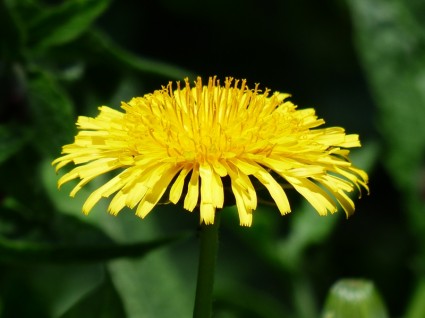
dandelionflowerwildfoodismDandelion is one of those plants whose presence is unavoidable.  Native to Europe and Asia, it is now well established throughout the temperate regions of the world, and can be found growing in lawns, fields, parks, parking lots, and along sidewalks.  While some individuals consider dandelion of no greater dignity than that of a “weed,” all parts of the plant are edible and highly nutritious (that’s right, free food right in your own backyard).

The leaves and roots are great raw or cooked, and bitterness can be mitigated through proper harvesting and processing techniques.  Yet what receives somewhat less attention, other than when discussing wine, is the most conspicuous part of the plant – the flower.

I enjoy dandelion flowers not just because they taste good, but additionally because they contain nutritional benefits in levels that oftentimes exceed those found in the roots and leaves.

Let’s take a look at some of these benefits (1).

Dandelion flowers have higher levels of polyphenols
Polyphenols are compounds synthesized by plants (as well as by animals) that play important biological roles in the life cycles of these organisms.  Whenever we consume foods rich in polyphenols, such as dandelion, we receive benefits that may aid in the prevention of degenerative diseases, particularly cardiovascular disease and cancer.

The aerial parts of dandelion, especially the flowers, contain approximately 115 times the polyphenol content than that found in the roots (9.9 ± 0.28 g polyphenols per 100 g dandelion flower extract vs. 0.086 ± 0.003 g polyphenols per 100 g dandelion root extract).

Dandelion flowers have greater antioxidant properties
Oxidation is a natural process in the human body that, if left unchecked, can result in conditions such as atherosclerosis, diabetes, and Alzheimer’s disease (just to name a few).  Antioxidants combat the process of oxidation, and can be produced internally as well as provided externally through the consumption of antioxidant-rich foods.

One highly reactive molecule involved in oxidation is the hydroxyl radical, which causes damage to DNA, membrane lipids, and tissues within the body.  Compared to the roots, stems, and leaves of dandelion, an ethyl acetate and water extract of dandelion flowers have been shown to provide the most efficient inhibition of the hydroxyl radical, followed by an aqueous extract of the stems.  The inhibition may be caused by the higher number of polyphenols found within the flowers, including the caffeic and chlorogenic acids, and the flavones luteolin and luteolin 7-O-glucoside.

Dandelion flowers are anti-inflammatory
Research has shown that dandelion flowers mitigate inflammation in rats who experience carrageenan-induced paw edema.  A methanolic extract of the flower provides the most significant inhibition (95%), compared to the leaves (69%) and roots (51%).

Dandelion flowers may owe their anti-inflammatory effects to their polyphenols, in particular luteolin and luteolin 7-O-glucoside.  Research suggests that these compounds may downregulate both inducible nitric oxide synthase (iNOS) and cyclooxygenase 2 (COX-2) – two enzymes involved in the inflammation process.

Dandelion flowers may act as chemopreventive agents
Angiogenesis is the process whereby new blood vessels are formed from the preexisting vascular system.  While this is a normal part of the wound healing process, angiogenesis is also involved in tumor progression from the benign to malignant state.

Ethanolic extracts of dandelion flowers and leaves have been shown to possess anti-angiogenic activity, and this may result from the actions of flavonoid compounds such as luteolin.  This suggests that the aerial components of dandelion may play an important complementary role in cancer treatment and prevention.

Dandelion flowers undoubtedly possess many more healing properties that await the discovery of future research.  What we know at this point is that these reproductive structures are rich in polyphenols, they possess great antioxidant potential, they’re anti-inflammatory, and they may play a role in chemoprevention.

And while the title of this article may be a bit bold (I mean, how do you really define the term “healthiest?”), the reality is that the entire organism – Taraxacum officinale – is highly nutritious and medicinal.  In addition to the benefits previously stated, research has suggested that dandelion possesses hepatoprotective, choleretic, and diuretic properties, and that the plant is a superior source of several vitamins, minerals, protein, and fiber compared to other commonly eaten salad greens.

Which makes me wonder:  Why isn’t dandelion recommended as the green of choice by nutrition experts, especially when it is so nutrient dense and readily available?

Thanks for reading, and as always … happy foraging!


Like what you’ve read and/or seen?  Sign up below to receive notifications for new posts, and don’t forget to check out the Facebook (facebook.com/wildfoodism) and Twitter (twitter.com/wildfoodism) pages to learn more about wild food nutrition and identification!

Thank you!
Adam Haritan

adamheadshot3

signinformwildfoodism

5 Unique Health Benefits Of Morel Mushrooms

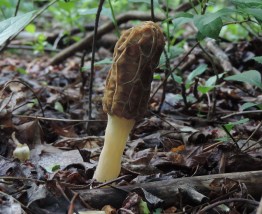
morelFor mushroom hunters in the temperate regions of the Northern and Southern Hemispheres, nothing signifies the beginning of spring more than the first appearance of morel mushrooms (Morchella spp.).  These organisms are arguably considered among the most prized edible fungi on the planet, and it’s not uncommon to see them fetching a price of a few hundred dollars per dried pound in the market.

While morels are some of the easiest mushrooms to identify, a few look-alikes exist… some of them benign, some a bit toxic.  For detailed information on finding and identifying morel mushrooms, check out another article from this blog:  How To Find And Identify Morel Mushrooms.

While most morel enthusiasts cherish this particular mushroom for its exceptional taste and culinary applicability, less attention is given to its physiological effects on the body.  This is unfortunate, because, like many members of the fungal kingdom, morel mushrooms possess important nutritional and medicinal properties that can play key roles in optimizing the health of those who consume them.

Let’s take a look at some of these unique characteristics, focusing on one species of yellow morel mushroom, Morchella esculenta.

Update: Good news!  I just put most of this information into a short video.  If you’re the kind of person who would rather watch a video than read an article, enjoy!

If you’re not, carry on…

Vitamin D

Mushrooms exposed to sunlight or UV radiation are great sources of dietary vitamin D2 (ergocalciferol).  While most vitamin D supplements contain D3 (cholecalciferol), dietary D2 from mushrooms has been shown to be as effective as vitamin D2 and D3 supplements in raising and maintaining 25(OH)D levels (1).

Morel mushrooms contain approximately 206 IUs of vitamin D2 per 100 grams of fresh material (2).

Protection against drug side effects

Pharmaceutical drugs are commonly known to create side effects, and cisplatin (a chemotherapy drug) and gentamicin (an antibiotic) are no exceptions.  When given to mice, these drugs can deplete the internal antioxidant defense system and induce kidney failure.

Research shows, however, that an aqueous-ethanol (water and alcohol) extract from cultivated morel mycelium has the remarkable ability to enhance the internal antioxidant defense system, thereby protecting against toxicity caused by the chemotherapy and antibiotic drugs (3).

Antioxidants

Oxidative stress is associated with numerous conditions, such as cardiovascular disease, Parkinson’s disease, and diabetes types 1 and 2.  Consuming antioxidant-rich food, therefore, is an important strategy to protect against this internal damage.

Studies have shown that extracts from morel mycelium are effective in combating oxidation.  This is primarily accomplished through the scavenging of damaging molecules known as reactive oxygen species (ROS), including the superoxide, hydroxyl, and nitric oxide radicals (4).

Antioxidants from morel mushrooms have also been shown to inhibit lipid peroxidation – a process involving tissue damage which, if left unchecked, can lead to inflammation and cancer (5).

Liver protection

Carbon tetrachloride (CCl4) is an inorganic compound which has been linked to disorders of the central nervous system and kidneys.  Research on animals has shown that administration of CCl4 with ethanol damages the liver by, among other things, depleting internal antioxidant stores.  When supplied with an extract of morel mycelium, however, protection is provided against liver damage, and antioxidant reserves can be restored.

This suggests that morel mushroom mycelium may provide therapeutic use as a liver-protecting agent (6).

Immune system activity

A 2002 study analyzed the immuno-stimulatory property of a unique polysaccharide isolated from the morel mushroom.  Known as galactomannan, this compound comprises 2.0% of the dry fungal material, and may work on both innate immunity and adaptive immunity by enhancing macrophage activity (7).

Conclusion

In summary, morel mushrooms are excellent wild foods to add to your diet.  While they can be rather expensive at the supermarket, foraging provides a better option (in my opinion), though caution must be taken so as not to confuse this mushroom with the toxic false morel (genus Gyromitra).  The biggest difference is that morels are hollow when cut in half lengthwise, while Gyromitras, which are typically a shade of reddish brown, are stuffed or chambered.  Check out How To Find And Identify Morel Mushrooms to learn more.

Of course, just knowing this information is no substitute for attending a mushroom walk or foray and having a trusted identifier discern for you the edible from the toxic.

Happy morel hunting!


Let’s stay in touch!  To receive information from Adam Haritan on wild plant and mushroom identification, please enter your name and email address below.  Thank you!

LearnYourLandnewsletter

Additionally, don’t forget to check out the Facebook and Instagram pages to learn more about wild food nutrition and identification!

Adam Haritan

AdamReishi2017


How Birch Bark Heals Wounds Faster, And How To Make Birch Bark Medicine For Skin

yellowbirchwildfoodismWhen treating illness or disease, it makes sense to consume food and medicine of the highest quality.

Should not the same standard apply, then, to the things we put onto our bodies, for instance, in the event of an injury or wound?

For those individuals who are looking for something – how should I say it – less toxic? – than the creams and lotions with concentrated antibiotics (known to contribute to antibiotic resistance), synthetic preservatives, synthetic fragrances, and synthetic colors:  consider looking to the birch tree for potential wound relief.

According to researchers from the Institute of Pharmaceutical Sciences of the University of Freiburg, an extract from silver birch bark (Betula pendula) is able to expedite the wound-healing process, doing so in two unique ways (1).

First, the extract enhances acute inflammation.  When skin is damaged, certain inflammatory mediators are recruited to the area of injury.  Birch bark, in particular its triterpine betulin, heightens this particular response when applied to wounds, allowing for greater production of inflammatory substances that fight harmful bacteria and remove dead tissue.  This pro-inflammatory process is only temporary, which is a good thing, as extended inflammation could be detrimental to the wound healing process.

Second, the extract enhances tissue repair.  After skin is damaged and inflammation is underway, new skin cells must close the wound.  Birch bark, when applied to skin, causes keratinocytes to migrate more quickly to the site of injury, helping to seal the wound.  It seems as though the compounds betulin and lupeol are responsible for this crucial second step.

While the particular mechanisms behind the wound-healing properties of birch bark provide new information for scientists, the use of birch bark to heal wounds has been known by researchers for quite some time.  A 2010 case study documented the ability of birch bark extract to successfully treat severe necrotizing herpes zoster (shingles) in a patient who failed to respond to conventional topical treatments (2).

In another report, birch bark extract was shown to be effective in treating two patients with second degree burning (3).

The history of birch bark for wound treatment goes back yet even further.  If we are to look at the traditional use of birch trees by indigenous peoples, at least in North America, we find that several groups used the bark to treat various skin disorders.

For example, paper birch was used to treat skin rashes.  The Cree used the outer bark to bandage burns.  Inner bark, added to pitch and grease, was used by the Cree as ointment for persistent scabs and rashes.

Gray birch was used by the Maliseet and Mi’kmaq for infected cuts, and powdered wood from the downy birch was used by the Cree to treat chafed skin (4).

Although Native Americans did not produce extractions as sophisticated as the modern ones currently used in research, they were still able to take advantage of the skin-healing properties of birch trees through simpler methods, and so can you.

Both betulin and lupeol, the chemicals responsible for the wound-healing effects of birch bark, are poorly soluble in water.  To make birch bark extractions, then, alcohol and fat would be better solvents.  This can be accomplished by removing the bark (the researchers used the outer bark), crushing it into small pieces, and extracting the materials in alcohol or fat.  After a few weeks, the mixture can be strained and bottled for later use.

A salve can also be quite effective, produced by extracting the bark in olive oil, straining, and adding the solution to melted beeswax.  Upon solidifying, the salve is ready for use.

Being able to identify birch trees is important, as they can also be utilized for food, medicine, sap and syrup, basketry, dyes, lumber, and fire wood.  When using them to treat wounds, however, understand that there is a limit to what they can accomplish.  If you are out in the wild and injure yourself severely, professional emergency medical help might be the better option.

Still, it is important to know that birch bark can be used in certain circumstances to treat skin disorders.  And what’s even more important than just knowing about it is taking action and putting this information to good use.

Thanks for reading, and as always … happy foraging!

References
3. Schempp C, Huyke C (2005) Behandlung von Verbrennungen 2. Grades mit Birkencreme. Der Merkurstab 5: 402.
4. Moerman, D. E. (2008) Native American Ethnobotany. London: Timber Press, Inc.


Like what you’ve read and/or seen?  Sign up below to receive notifications for new posts, and don’t forget to check out the Facebook (facebook.com/wildfoodism) and Twitter (twitter.com/wildfoodism) pages to learn more about wild food nutrition and identification!

Thank you!
Adam Haritan

adamheadshot3

signinformwildfoodism

The Chemicals In A Blueberry

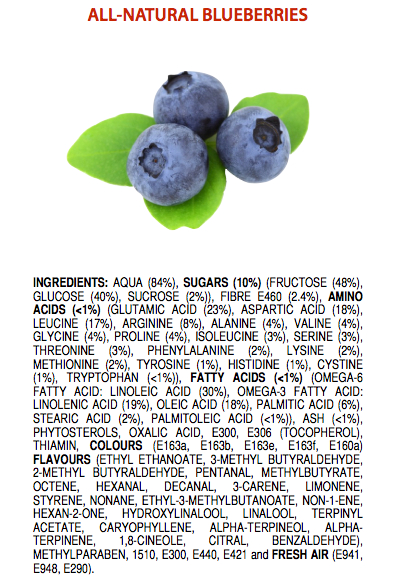
The New York Times recently published an opinion piece highlighting the work of an Australian high school chemistry teacher (1).  The teacher, James Kennedy, created posters of different foods showcasing their chemical constituents by displaying them as a list of ingredients, much like what one would see on a processed food label (2).

For example, here is a poster illustrating the naturally occurring chemicals within a blueberry (click to enlarge).

blueberrieswildfoodism

The goal, according to Kennedy, was to visually represent chemicals as an introduction to an organic chemistry course.  Further, he hoped to alleviate his students’ fears regarding chemicals by showing that nature is teeming with naturally occurring chemicals that are more complex than anything found in the lab.

As a former student of organic chemistry, I find his posters to be quite fascinating.  However, as a student of nutrition, wild food, and the natural processes of life, I can also see where his message has the potential to be misinterpreted by those who accept his work at face value.

Let me explain.

There are many more chemicals found within a blueberry, in addition to the ones listed.

True, the naturally occurring chemicals listed on the poster are probably found in a (cultivated) blueberry.  Kennedy derived his list from nutrition analyses, botany books, and peer-reviewed chemical analyses.  But does it represent all the chemicals found in a blueberry?  Most likely not.  Researchers are constantly discovering and isolating new chemicals to the extent that technology allows.

There is no such thing as a static list in nature.

In 50 years, perhaps the list of chemicals in a blueberry will be twice as comprehensive.  An improvement in technology might allow for this to happen, but so too can the ebb and flow of nature.  Nothing is static; everything is changing and evolving as time (from our perspective) moves forward.  Who’s to say that the list of chemicals in a blueberry today will be exactly the same 50 years from now?

As an organism is exposed to various conditions and stresses, its chemical composition will surely be altered, at least in quantity.  For example, organic grape juices have been shown to possess higher values of polyphenols and resveratrol (antioxidants) compared to conventional grape juices (3).  Can the quantity of certain chemicals in an organism be manipulated so much that they are reduced to zero?  Perhaps this is a hypothesis worth exploring.

Chemicals in nature are found in a proportion favorable to the organism.

They are not found in isolation.  Blueberries contain the flavor chemical, 3-methylbutyraldehyde, and it functions just fine in conjunction with all the other constituents within the fruit.  This doesn’t mean, however, that a synthetically created 3-methylbutyraldehyde, operating outside its natural matrix, acts the same way.

Now, I know Kennedy is not suggesting that an isolated chemical found within a blueberry is safe for human consumption outside its complex system, but this theory is well accepted elsewhere.

For example, the pharmaceutical industry derives many of its drugs from the isolation of plant chemicals.  The opium poppy has been used traditionally as food and medicine by various groups, including the Egyptians, Greeks, and Romans.  Codeine, an opiate chemical found within the opium poppy, has been isolated and used conventionally to relieve coughs and pain.

It is not without its side effects, however, as codeine has been known to cause vomiting, memory loss, and depression.  Removed from its natural system within the opium poppy, it can be quite detrimental.

A more telling example would be the relationship between cocaine and the coca leaf.  Coca leaves, for thousands of years, have been chewed by various South American indigenous groups for stimulation and enhanced cognition.  Cocaine, an alkaloid isolated from the plant, is a powerful central nervous system stimulant that can cause life-threatening hyperthermia, arrhythmias, and death.

Bottom line:  a chemical within a complex system is vastly different than its isolated counterpart.

Food is more than the sum total of its chemicals.

The list of ingredients in a blueberry hints at reductionist philosophy, implying that a complex system can be understood completely in terms of its individual parts.  Surely we cannot believe that a blueberry is solely Kennedy’s list of chemical ingredients.  If this were to be true, then we should be able to recreate the blueberry simply by blending those ingredients together.

Obviously, this isn’t likely to happen.  There is much more to a blueberry (or to any organism for that matter) than its chemical composition alone.  Conventional science is useful in isolating some components within a living system, but lacks the ability to fully describe the essence that brings it to life.

Overall, Kennedy’s work to introduce his students to the world of organic chemistry is compelling, and he makes a great point:  chemicals are not simply the products of science experiments performed in the lab.  They are found in the water we drink, the air we breathe, and the food we eat.

His posters do a good job of highlighting this.  Remember, however, that chemical composition is only a fraction of what is known about an organism.

Nature is full of naturally occurring compounds that work synergistically to assist, in part, in creating complex arrangements.  In turn, these structures work to create even larger systems ad infinitum.

Such is the holographic nature of our universe, a beautiful and intricate system that cannot be reduced to a single list of ingredients.


Like what you’ve read and/or seen?  Sign up below to receive notifications for new posts, and don’t forget to check out the Facebook (facebook.com/wildfoodism) and Twitter (twitter.com/wildfoodism) pages to learn more about wild food nutrition and identification!

Thank you!
Adam Haritan

adamheadshot3

signinformwildfoodism

Inflammation? Try lemon balm

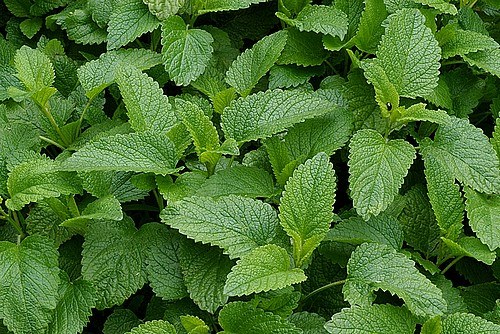
lemonbalmwildfoodismPerhaps in the not-too-distant past, Homo sapiens were much more intuitive with the natural world.  Plants spoke, and we listened.  They offered their assistance, and we accepted.

Domestication seems to have bred out this innate perception our ancestors once possessed, to the point where, to many, a glance out of today’s window offers barely more than an inanimate, indistinguishable wall of green.

Fortunately, what we fail to glean firsthand from the natural world can be teased apart by conventional science.

Lemon balm (Melissa officinalis L.) is a plant in the mint family that has traditional usage amongst different cultures around the world, as well as modern scientific research to support its claims.  Native to the eastern Mediterranean region, southern Europe, and western Asia, lemon balm’s targets include the nervous system, as well as the gastrointestinal and respiratory tracts.

Brand new research has just revealed another property of lemon balm, one that has been known by indigenous peoples for centuries, yet never fully recognized by scientific analyses.

Lemon balm, according to recent research, is anti-inflammatory.

A study from 2013 in Advances in Pharmacological Sciences examined the role of lemon balm in the reduction and inhibition of edema in rats (1).  The researchers performed two experiments to induce edema in the study’s rats: injection of carrageenan (extract of seaweed) into the left hind paw, and dropping a 50 gram weight on the left hind paw, of each rat.

(Note: I’m not condoning the use of animals in scientific research; I am simply presenting the information found in the study.)

Prior to these events, an essential oil extract from lemon balm was orally administered in two doses, 200 grams and 400 grams.  A control group, which received a distilled water solution, and another experimental group, which received a non-steroidal anti-inflammatory drug (Indomethacin), were also evaluated.

The results?  Lemon balm essential oil, in doses of 200 grams and 400 grams, significantly reduced and inhibited edema in early stage and late stage inflammation.  This was shown to occur for both the carrageenan- and trauma-induced edema.

There were two other notable findings from this study:

  1. No toxicity or changes in body weight were observed after oral administration of lemon balm at 200 grams and 400 grams, showcasing its safety.
  2. Lemon balm essential oil was more effective at inhibiting edema long-term than the NSAID (Indomethacin), especially at 400 grams in the carrageenan-injected rats.

Here we have a plant that mitigates acute inflammation – a condition that has no doubt been experienced by all.  Although necessary, acute inflmmation can be irritating and overwhelming (think wounds or surgery) and can affect quality of life.  When natural treatments like lemon balm exist, it may be wise to seek them out and implement them into our healing strategies.

Yes, this study was performed on animals, and human beings are not of the murid family.  Keep in mind that Melissa officinalis has been used for the treatment of pain and other inflammatory processes by native peoples, and isolated anti-inflammatory compounds found within lemon balm have been scientifically studied.

Lemon balm is an excellent plant to keep on hand and can be found all over the world.  If you are suffering from an acute injury, irritation, swelling, edema, or wound, consider ingesting lemon balm as a way to combat the inflammation.

And to discover what else lemon balm may assist you with, open your senses and listen closely.  Intuition is a powerful tool.

49 Plants That Treat High Blood Pressure

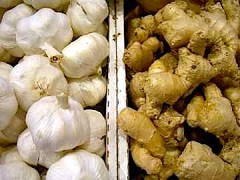
garlic-and-gingerA middle-aged man approached me the other day, asking if I could provide advice on treating high blood pressure.  “I tried everything,” he said, as I ran through all the standard recommendations.  From our brief interaction, it was clear that diet and lifestyle were the likely culprits, evidenced by his higher-than-average body mass index (BMI), his stressful 70-hour work weeks, and the apparent halitosis (bad breath) he experienced.

In the United States, 67 million American adults (31%) have hypertension, defined as persistently high arterial blood pressure (1).  It is quantified by having a systolic blood pressure (pressure during the contraction phase of the cardiac cycle) of 120 mm Hg or higher, or a diastolic blood pressure (pressure during the relaxation phase of the cardiac cycle) of 80 mm Hg or higher.  Common FDA-approved medications for hypertension include diuretics (water pills), angiotensin converting enzyme (ACE) inhibitors, calcium channel blockers, and beta blockers.

Of course, a problem is never presented without a solution, and in the case of hypertension, many natural solutions exist.  A recent review in the journal Pharmacognosy Review examined the scientific research regarding natural herbs in the treatment of hypertension, and provided a list of 49 potentially effective plants along with their medicinal actions (2).

In this post, I will relay what the authors discovered.  Most of these plants are wild, while some are cultivated.  Regardless, if you experience hypertension and think that you have tried every treatment, confirm your belief with this list.

1. Round leaf buchu (Agathosma betulina)
Round leaf buchu is a South African plant used as an effective diuretic.

2. Garlic (Allium sativum)
In individuals with increased systolic pressure, garlic may decrease blood pressure through the increase of nitric oxide production.

3. Prickly custard apple (Annona muricata)
A leaf extract of this Central American/Caribbean tree may lower elevated blood pressure by decreasing peripheral vascular resistance.

4. Celery (Apium graveolens)
Studies show that the juice and seeds of the celery plant are safe and effective treatments for high blood pressure.

5. Manchurian pipevine (Aristolochia manshuriensis)
This Chinese plant has been studied for its use as a diuretic; magnoflorine, a compound isolated from the plant, displays hypotensive properties.

6. Breadfruit (Artocarpus altilis)
A leaf extract from this species of flowering tree in the mulberry family has been shown to reduce tension in aortic rings in animal studies.

7. Oats (Avena sativa)
The common oat is a soluble fiber-rich cereal grain that has been found to significantly reduce both systolic and diastolic blood pressure in patients with hypertension.

8. Psyllium (Plantago ovata)
Preliminary research shows that a daily 15 gram psyllium supplement can moderately lower systolic blood pressure by about 8 mm Hg, and diastolic by about 2 mm Hg.

9. Tea (Camellia sinensis)
Research on the population level shows that consumption of green tea and oolong tea (different fermentation levels, same plant) is associated with a decreased risk of developing hypertension.

10. Lasaf (Capparis cartilaginea)
This scrambling perennial shrub has been reported to produce a dose-dependent decrease in blood pressure in rats.

11. Ajwain (Trachyspermum ammi)
Ajwain is a parsley-like plant whose extract produces a drop in blood pressure and heart rate in rats.

12. Chaksu (Cassia absus)
A crude extract of this tropical plant produces a dose-related decrease in blood pressure, as well as a decrease in heart rate at higher doses.

13. Coffeeweed (Senna occidentalis)
A small pantropical tree, coffeeweed has traditional use as an antihypertensive agent.  Research has confirmed a relaxant effect on aortic rings from the leaf extract, as well as the ability of the plant to relax smooth muscle and reduce blood pressure.

14. Moreton Bay chestnut (Castanospermum australe)
A crude extract from this South Pacific plant has been shown to reduce blood pressure in a dose-dependent manner.  Note:  the seeds are poisonous, and rendered edible when prepared properly.

15. Coleus forskohlii (Plectranthus barbatus)
Forskolin, a vasodilating compound isolated from this tropical perennial plant, has been shown to reduce blood pressure in animal studies.

16. Virginia dayflower (Commelina virginica)
This perennial herbaceous plant, native to the mideastern and southeastern United States, has been shown to reduce tension of aortic rings in animal studies.

17. Chinese hawthorn (Crataegus pinnatifida)
Chinese hawthorn is a small to medium sized tree that has been used for thousands of years in traditional Chinese medicine.  Scientific research has elucidated its effects in lowering blood pressure.

18. River lily (Crinum glaucum)
An aqueous extract of this West Nigerian plant has been shown to reduce both systolic and diastolic blood pressures.

19. Giant dodder (Cuscuta reflexa)
A crude extract from this parasitic plant in the morning glory family has been shown to reduce blood pressure in animal studies.

20. Wild carrot (Daucus carota)
Also known as Queen Anne’s lace, Daucus carota may lower blood pressure through the blockade of calcium channels.  Caution should be taken when harvesting this plant, as it resembles the deadly poison hemlock (Conium maculatum).

21. Coin-leaf desmodium (Desmodium styracifolium)
Dried leaves and stems from this leguminous plant have been shown to lower arterial blood pressure in animal studies.

22. Hardy fuchsia (Fuchsia magellanica)
Native to South America, hardy fuchsia is a dwarf shrub in the evening primrose family.  An infusion of the leaf extract acts as a diuretic and lowers blood pressure.

23. Soybean (Glycine max)
Soybean may provide a modest reduction in blood pressure.

24. Pima cotton (Gossypium barbadense)
Traditional medicine in Suriname utilizes the leaves of this plant as an antihypertensive agent.  Research has shown Pima cotton to decrease the tension in aortic rings in animal studies.

25. Roselle (Hibiscus sabdariffa)
The roselle is one of the most well-studied plants for the treatment of hypertension.  In human studies, the roselle has been shown to act very similarly to captopril, an ACE inhibitor, in its antihypertensive effects, effectiveness, and tolerance.

26. French lavender (Lavandula stoechas)
Crude extracts of this Mediterranean plant have been shown to lower blood pressure and heart rate in animal studies.

27. Broadleaved pepperweed (Lepidium latifolium)
This edible plant in the mustard family displays diuretic and blood pressure lowering effects in animal studies.

28. Flax (Linum usitatissimum)
Flaxseed is a good source of alpha-Linolenic acid (ALA), a parent fatty acid of the omega-3 fats.  ALA has been shown to possess antihypertensive effects in individuals with high-normal blood pressure and mild hypertension.

29. Black mangrove (Lumnitzera racemosa)
Amongst the mangrove plants, the black mangrove is the most salt tolerant species.  An aqueous acetone extract of this small tree has been shown to display antihypertensive activity.

30. Tomato (Solanum lycopersicum)
An extract of the tomato has been shown to reduce blood pressure in individuals with mild, untreated hypertension.  Additionally, a significant correlation has been discovered between systolic blood pressure and lycopene, a carotenoid pigment in the tomato.

31. Moringa (Moringa oleifera)
A crude extract from Moringa oleifera, the most cultivated plant in its genus, caused a fall in systolic, diastolic, and mean arterial blood pressure in animal studies.

32. African corkwood tree (Musanga cecropioides)
Native to Africa, this straight-stemmed evergreen tree has been studied for its dose-dependent effects on lowering blood pressure.

33. Basil (Ocimum basilicum)
This South East Asian culinary herb exhibits antihypertensive effects through its chemical compound, eugenol.  Also found in spices such as cinnamon, nutmeg, and clove, eugenol works by blocking calcium channels.

34. Harmal (Peganum harmala)
Harmal is a perennial plant that has traditional usage in Turkey and Syria.  A crude extract from harmal exhibits antihypertensive effects in animal studies.  In addition to its blood pressure lowering properties, harmal may have also been an important entheogen in ancient Middle East.

35. Nela nelli (Phyllanthus amarus)
Closely related to chanca piedra (“stone breaker”), this species of Phyllanthus has traditionally been used as a diuretic to lower blood pressure.

36. Maritime pine (Pinus pinaster)
Pycnogenol, an extract isolated from the bark of maritime pine, has been shown to be effective for venous insufficiency.  Research has also shown that 200 mg/day of pycnogenol may modestly lower blood pressure in individuals with mild hypertension.

37. Kudzu (Pueraria lobata)
A member of the pea family, kudzu root is officially recognized in China as a muscle relaxant, fever reducer, and a treatment for hypertension.  An isoflavone extracted from kudzu has been shown clinically to reduce blood pressure and heart rate.

38. Pomegranate (Punica granatum)
Research, although with conflicting results, suggests that pomegranate juice may be effective in reducing blood pressure.

39. Radish (Raphanus sativus)
The edible root of this mustard family plant has been shown to reduce blood pressure and heart rate in animal studies.

40. Snakeroot (Rauvolfia serpentina)
Snakeroot is considered to be one of the most antihypertensive plants.  A purified alkaloid from snakeroot, reserpine, was the first effective drug used in the long term treatment of hypertension, though it is rarely used today.

41. Rhaptopetalum coriaceum Oliver
The bark from this woody, tropical South American plant has been used traditionally as a treatment for hypertension.  Research has revealed that its mechanism of action may be through calcium channel blocking.

42. Sesame (Sesamum indicum)
Sesame is one of the oldest oil-seed crops known.  In patients with hypertension, consumption of sesame oil has been shown to reduce oxidative stress and increase endogenous antioxidant production.  Sesamin, a lignan found in sesame oil, may be useful as a preventative for hypertension.  Alcoholic extraction of the seeds has also been shown to lower blood pressure in animal studies.

43. Sticky nightshade (Solanum sisymbriifolium)
Sticky nightshade has been used in traditional Paraguayan medicine as a diruetic and antihypertensive agent.  Studies in animals have elucidated its role in reducing blood pressure.

44. Cacao (Theobroma cacao)
Studies have shown that consumption of polyphenolic-rich chocolate (dark or milk) can lower both systolic and diastolic blood pressures.  Compounds in chocolate also enhance vasodilation within the cardiovascular system.

45. Wheat bran (Triticum aestivum)
Increasing wheat bran intake by 3-6 grams daily may modestly reduce blood pressure.

46. Cat’s claw herb (Uncaria rhynchophylla)
This flowering plant in the coffee family has been traditionally used in Chinese medicine to lower blood pressure.  Its hypotensive effects may be attributed to the alkaloid, hirsutine, which acts on calcium channels.

47. Mistletoe (Viscum album)
Mistletoe is a hemi-parasitic plant in the sandalwood family.  Aqueous extracts of its leaves display blood pressure lowering effects in animal studies.

48. Wild African black plum (Vitex doniana)
An extract from this flowering plant in the mint family has significantly lowered blood pressure in animal studies.

49. Ginger (Zingiber officinale)
Frequently used for digestive issues, ginger also has been shown to improve blood circulation and relax muscles surrounding blood vessels.  Studies performed on animals have revealed its ability to reduce blood pressure through calcium channel blocking.

There we have it.  Forty-nine plants that may aid in the reduction of blood pressure.  If you (or someone you know) have hypertension, and believe that every treatment has been tried, study this list and see if one or more of these plants can provide assistance.

It should be understood that there is hardly a replacement for optimal diet and lifestyle practices.  A single plant is not the cause of hypertension, therefore a single plant cannot be the cure for it either.

Only with alterations in the way we live our lives – through the food we eat, the water we drink, the air we breathe, the sunshine we receive, our thoughts, actions, relationships, etc. –  can we begin to radically transform our bodies, reclaiming the health and robustness that once defined our species, Homo sapiens.

Thanks for reading, and as always … happy foraging!


Let’s stay in touch!  To receive information from Adam Haritan on wild plant and mushroom identification, please enter your name and email address below.  Thank you!

LearnYourLandnewsletter

Additionally, don’t forget to check out the Facebook and Instagram pages to learn more about wild food nutrition and identification!

Adam Haritan

AdamReishi2017


Traditional Use Of Animals As Medicine

Indianwildfoodism

Credit: Edward S. Curtis, 1910

When thinking of natural medicine, most of us think of plant medicine.  After all, most supplements sold in stores, other than vitamins and minerals, are derived from plants and sold as tinctures, capsules, powders, etc.  But if we’re looking at medicine in the context of a wild food diet, it would be unreasonable to think that all remedies stem from the plant kingdom.  In fact, indigenous cultures across the world utilize natural medicines from many kingdoms, Animalia included.

Today, this practice is not uncommon among modern, domesticated humans, although it may not be so obvious.  For example, gelatin is a popular joint-support supplement, and is derived primarily from pork skins, horses, cattle bones, or split cattle hides.  Fish oil is another highly touted supplement indicated for a variety of conditions, and is obviously derived from the tissues of oily fish.  Gelatin and fish oil are sourced from animals that are used both as food and medicine, thus fulfilling the famous dictum, “Let food be thy medicine, and medicine be thy food.”

Many indigenous cultures implement extensive strategies that include animals for the treatment of illnesses.  To these individuals, animals are not exclusive sources of concentrated protein, nor just good sources of fatty nourishment.  Their utility extends far beyond the provision of macronutrients, supplying important therapeutic agents as well.

This post will focus on three areas of the world, briefly summarizing the ethnozoology of the cultures within these environments.  It’s important to understand the value that animals contribute to certain groups of people, as some individuals, here in modern civilization, might associate the use of animals with abuse, greed, and waste.  While these terms may accurately describe some conventional methods of animal harvesting, they cannot be generalized to include traditional animal preparation involving responsibility, intention, and care.

Brazil

Home to over 200 indigenous cultures, Brazil is unique in that it possesses between 15-20% of all the world’s biological diversity.  Wild food and medicine are utilized not only by the inhabitants of remote areas, but by those who live in civilization as well.  And as you might guess, animals are important to the medicinal strategies implemented throughout Brazil (1).  Of the 354 animals used as medicine, 157 of them are also used as food (about 44%).

The animals used as both medicine and food can be divided into 6 categories in descending order of use: fish (77 species; 49.0%), followed by mammals (35; 22.3%), reptiles (20; 12.7%), birds (11; 7.0%), crustaceans (9; 5.7%), and mollusks (5; 3.2%).  With many coastal areas, it is no surprise that fish and other aquatic organisms comprise the largest portion of animal medicine in Brazil.

Looking deeper, we find that certain animals are used primarily for medicine, and not so much for food.  The Boa constrictor (B. constrictor), for example, is utilized for rheumatism, lung disease, and thrombosis.  Other animals, however, are used primarily for dietary nourishment, while their various bodily components provide medicine.  The caiman animals, which include small crocodilians, are hunted for their meat, while the teeth, skin, fat, and penis are used for conditions including asthma, stroke, bronchitis, backache, and sexual impotence.  Likewise, the meat of armadillos is consumed, while the tail and skin are used to treat earaches and asthma.  Amulets made from animal parts are also worn by individuals as protection, further demonstrating the numerous roles animals play in the well-being of Brazilians.

India

In India, medicinal animal use has been documented not only in Ayurvedic medicine, but in indigenous culture practices throughout the country as well (2).  Approximately 109 species of animals are used as medicine in India.  In descending order of use, mammals rank highest (44 species; 40%), followed by invertebrates (24; 22%), birds (18; 17%), reptiles (12; 11%), fish (9; 8%), and amphibians (2; 2%).

While animals provide medicine for a variety of ailments in India, the majority are used for respiratory problems (42 species, 38.5%).  Rheumatic pains (32, 29.4%) and gastric disorders (22; 20.2%) rank second and third, with other conditions including skin issues, impotency, and eye and ear problems.  For example, legs of the Indian Peafowl (Pavo cristatus), a large bird in the pheasant family, are used to treat ear infections.  Paralysis and sexual impotency are treated with oil from the red velvet mite (Trombidium grandissimum).

Animal flesh, while providing substantial calories and macronutrients, ranks highest in medicinal use among animal parts.  Honey, milk, mucus, and eggs are also widely used, as well as urine, fat, blood, and antlers.  But even though numerous animals and animal parts are indicated for various ailments, knowledge about animal medicine is fading and falling out of practice, especially when compared to plant medicine.  India is becoming more modernized like most areas of the world, and traditional methods of living and healing are slowly becoming replaced by conventional standards.

Korea (Jeju Island)

Compared to the Korean Peninsula, Jeju Island retains a more abundant biological diversity, as it experiences climate conditions ranging from the subtropic to subarctic.  The island is situated to the south of the Korean Peninsula, and was created through volcanic activity approximately two million years ago.

It is estimated that about 77 species of animals are used by the inhabitants of Jeju Island (3).  Fish occupy the greatest number of uses (28 species; 36%), followed by mammals (15; 19%), mollusks (13; 17%), arthropods (8; 10%), birds (4; 5%), and echinoderms (3; 4%).  Much like Brazil, Jeju Island relies heavily on aquatic organisms for food and medicine, as evidenced by the proportion of these animals used.

Since the 13th century, Jeju Island has been a major horse-breeding region.  It is no surprise, then, that out of all the animals used as medicine, the horse (Equus caballus) is used for approximately 14 different ailments.  Horse bones are decocted, simmered, extracted, or powdered to treat a variety of conditions, primarily bone diseases and arthritis.

Another common treatment involves the Korean blackish cicada (Cryptotympana dubia).  The larva is juiced and ingested orally for the common cold, cough, and fever.  Interestingly, recent research has confirmed antimicrobial action by a peptide extracted from the Korean blackish cicada, which is effective against two antibiotic-resistant bacterial strains: methicilin-resistant S. aureus (MRSA) and vancomycin-resistant Enterococci (4).

The list of ailments treated is vast, ranging from genitourinary system disorders to poisonings.  And although animals still play a major role in traditional Korean medicine, knowledge regarding their value has the potential to be lost on Jeju Island, as most of it is retained by the aging senior population.

By now, it’s quite apparent how important animals are in the traditional medical systems of various cultures.  Those who live closest to the land understand the value all organisms provide in maintaining a healthy and balanced ecosystem, both external to the body and within.

An adulterated form of this practice is still performed today in American medicine, as animal-derived substances comprise a portion of the pharmaceutical drugs on the market.  For example, Premarin, a medication consisting of conjugated estrogens, is derived from pregnant mares’ urine.  The cochineal (Dactylopius coccus), a small insect native to South America and Mexico, is used to produce a red-colored dye as coloring for ointments and pills.  The difference today, however, is that many people may not even be aware that they are consuming animals as part of their medical treatments.  Such is the unilluminated life of the modern domesticated human.

What do we make from all this?  Understand that medicine does not start and end with the botanical world.  Animals have always been essential to the livelihoods of various peoples, providing food, shelter, warmth, protection, tools, companionship, and medicine.  Certain movements today promote the abstinence of all animal products.  While individual choice must be respected for any reason in doing so, realize that by eschewing an entire kingdom of life, all medicines derived from it are withheld as well.

If you are unfamiliar with the traditional use of animals within your ecosystem, I encourage you to research for yourself and discover all the fascinating ways natural Homo sapiens have always interacted with the kingdom Animalia, both for food and medicine.


Like what you’ve read and/or seen?  Sign up below to receive notifications for new posts, and don’t forget to check out the Facebook (facebook.com/wildfoodism) and Twitter (twitter.com/wildfoodism) pages to learn more about wild food nutrition and identification!

Thank you!
Adam Haritan

adamheadshot3

signinformwildfoodism