Author: Adam

Wild foodist

Finding Vitamin C Outside The Grocery Store – Looking Into Wild Sources

redbudwildfoodismI’ve written about this before, and other wild food advocates have concurred:  wild plants, on average, contain more vitamins and minerals than their domesticated counterparts (wild lettuce vs. iceberg lettuce, wild blueberries vs. cultivated blueberries, etc.).  This is one of the many reasons why I strongly encourage others to adopt a wild food diet, even if that means consuming only one wild species per day.

Let’s take a look at vitamin C, conventionally known as L-ascorbic acid.  If you ask the average person which foods are high in vitamin C, you will almost always receive the same answers: orange, orange juice, and other citrus fruits – sometimes red pepper (Go ahead, try it.  Ask someone which foods are high in vitamin C, and I’d be surprised if the answers differ).

These responses are not entirely incorrect.  The recommended dietary allowance (RDA) for vitamin C is 90 mg and 75 mg for adult men and women respectively.  A medium sized orange contains approximately 70 mg of vitamin C.

While humans cannot manufacture their own vitamin C, it is relatively easy to acquire through diet.  Vitamin C plays an essential role in the body, combating free radical damage and aiding in the synthesis of collagen, carnitine, and catecholamines.  Deficiencies are rare, though prolonged inadequate intake can lead to subcutaneous bleeding and poor wound healing.  The end result is scurvy.

Foods from the supermarket can certainly provide enough vitamin C to meet the recommended RDA, though it’s actually much easier to do so from fresher sources.  You see, vitamin C is a delicate molecule, and its content in food decreases significantly during storage.  For example, potatoes lose 50% of their vitamin C within 5 months of storage, and 65% within 8 months.  During winter storage, apples can lose up to 50% of their vitamin C, and cabbage up to 45% (Combs, 2012).  The mechanism at play here is oxidation, where ascorbic acid is oxidized into dehydroascorbic acid.

Where, then, do we find fresher sources of vitamin C?

Well, how about the wild?

When harvesting food from the wild, one has more control over storage methods.  Sure, some foods can still be stored for quite some time (dried aerial parts, nuts, seeds, roots), but most edibles will be consumed within the same week of gathering, at least in my experiences.

In addition to minimizing the loss of vitamin C due to storage, there is another important benefit in seeking the wild sources:  inherently, wild plants generally contain much more vitamin C than the plants found in the grocery store.

Let’s take a look at a few wild sources of vitamin C from plants available in my habitat (Southwestern Pennsylvania).  For reference, the orange – at 100 grams – contains approximately 53 mg of vitamin C.

Species (100 g), parts of plant, vitamin C content (1, 2, 3)

  • Dog rose (Rosa canina), fruit, 1252 mg
  • Balsam fir (Abies balsamea), needles, 270 mg
  • Eastern white pine (Pinus strobus), bark and needles, 200 mg and 32 mg respectively
  • Garlic mustard (Alliaria petiolata), aerial parts, 190 mg
  • Red spruce (Picea rubens), needles, 169 mg
  • Wild garlic (Allium vineale), leaves, 130 mg
  • Garden yellow-rocket (Barbarea vulgaris), basal leaves, 130 mg
  • Common blue violet (Viola sororia), basal leaves, 130 mg
  • Lamb’s quarters (Chenopodium album), whole young plants, 130 mg
  • Elderberry (Sambucus nigra), fruit, 116 mg
  • Shepherd’s purse (Capsella bursa-pastoris), basal leaves of first year plants, 91 mg
  • Wild leeks (Allium tricoccum), leaves, 80 mg
  • Woodland strawberry (Fragaria vesca), fruit, 80 mg
  • Mock strawberry (Duchesnea indica), leaves, 79 mg
  • Eastern redbud (Cercis canadensis), flowers, 69 mg
  • Mountain ash (Sorbus aucuparia), fruit, 68 mg
  • Common yellow woodsorrel (Oxalis stricta), leaves, 59 mg
  • Northern white cedar (Thuja occidentalis), needles, 45 mg

Looking at this list, it’s quite evident that vitamin C is ubiquitous in nature.  And it’s not just found in plants.  One can acquire vitamin C by consuming animals; the heart, liver, and adrenals are all good sources of vitamin C.

This list also hints at another important implication:  our hunter and gatherer ancestors surely were ingesting vitamin C in levels greater than what is recommended today.  After all, the average indigenous diet was far more diverse than the modern dietary amalgamation of corn, wheat, and soy; this traditional heterogeneity ensured that vitamin C was easily acquired.  Additionally, research has shown that animal organs, rich in vitamin C, were favored over muscle meats in traditional diets.

Today, the RDA for vitamin C is based off of a different way of eating – primarily, the agricultural diet.  The RDA may prevent scurvy, and it may be enough for the body to function at an adequate level, but is the RDA for vitamin C high enough for humans to perform at optimal levels?

I’d dare to say “No, not really.”  If two cultivated oranges can supply the RDA for vitamin C, imagine what a meal supplemented with garlic mustard, rose hips, and white pine bark would provide.

If you are interested in approximating a diet with vitamin C levels in tune with your natural biology, consider ingesting an impressive array of wild foods on a daily basis.  And think of the 75-90 mg target as “just enough” to function adequately.

We certainly deserve more!

References
Combs, G. F. (2012). The vitamins: Fundamental aspects in nutrition and health. Burlington, MA: Academic Press.


Like what you’ve read?  Sign up below to receive notifications for new posts, and don’t forget to check out the Facebook page (facebook.com/wildfoodism) to learn more about wild food nutrition and identification!

Thank you!
Adam Haritan

adamheadshot3

signinformwildfoodism


Natural sun protection with herbal and culinary oils – a look at plant SPF numbers

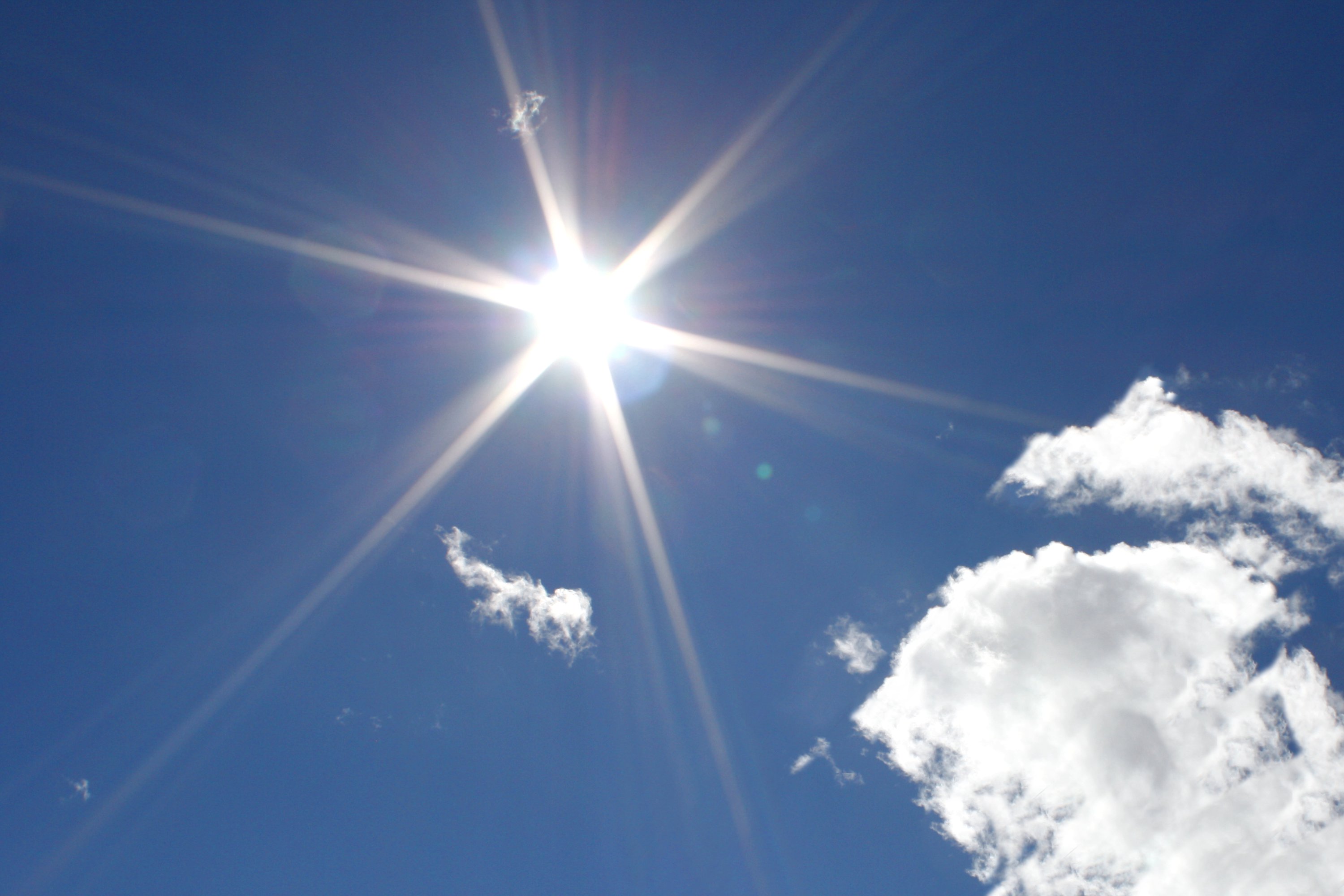
naturalsunscreenwildfoodismI like the sun.  I really do.  So it always fascinates me whenever I see others avoiding at all costs this astronomical entity that makes me feel so great.  Maybe I’m unique, I don’t know.  Or maybe there’s a deeper explanation…

All humans require sunlight.  And it’s not just about vitamin D synthesis (although it is important).  The benefits of healthy sun exposure extend far beyond the conversion of 7-dehydrocholesterol to cholecalciferol (vitamin D3), and these benefits have been known for quite some time.

Heliotherapy (phototherapy) was documented scientifically more than one hundred years ago by Niels Ryberg Finsen, a Nobel Prize winning Danish physician who clinically experimented with different wavelengths of light to treat smallpox and tuberculosis of the skin.  Numerous sunbathing clinics were created around the world – first in Europe, then in the United States – to treat patients with skin, bone, and pulmonary tuberculosis.  As antimicrobial treatments became available, however, use of heliotherapy for tuberculosis declined.  Today, heliotherapy is used to treat other conditions, such as acne, psoriasis, eczema, and seasonal affective disorder.

Outside of the clinic, researchers continue to unravel the benefits of healthy sun exposure.  For example, a recent study suggests that sun exposure can reduce blood pressure, which may in turn decrease the risk of heart attack and stroke (1).

Now, I understand the flipside – the risks of prolonged sun exposure, especially for individuals who normally spend a significant amount of time indoors and have not acclimated properly to the sun.  Add to that a diet deficient in antioxidants, and you’ve got a recipe for all kinds of problems.

But even for those who have acclimated themselves to the sun and have ensured a diet rich in antioxidants, sometimes protection is warranted.  Shade and clothing are ways to accomplish this, though I wouldn’t recommend conventional sunscreen products.  Most contain ingredients that could potentially do more harm than good, such as parabens, petroleum oils, and synthetic fragrances.  Research suggests that certain ingredients, when absorbed into the skin, generate more free radicals in users of sunscreen than in individuals who expose themselves to sunlight without sunscreen (2).

There is hope, however, as natural herbal and culinary oils provide their own sun protection factors (SPF) and may be used effectively as natural sunscreens (3).  Research has found that, on average, nonvolatile oils have SPF values between 2 and 8, and volatile oils have SPF values between 1 and 7.

Nonvolatile oils (followed by SPF)

  • Olive oil, 7.549
  • Coconut oil, 7.119
  • Castor oil, 5.687
  • Almond oil, 4.659
  • Mustard oil, 2.105
  • Chaulmoogra oil, 2.019
  • Sesame oil, 1.771

Volatile oils (followed by SPF)

  • Peppermint oil, 6.668
  • Tulsi oil, 6.571
  • Lemon grass oil, 6.282
  • Lavender oil, 5.624
  • Orange oil, 3.975*
  • Lemon oil, 2.810*
  • Eucalyptus oil, 2.625
  • Tea tree oil, 1.702
  • Rose oil, 0.248

*Note: Oils of orange and lemon may increase sensitivity to the sun, and if used cosmetically, may need to be diluted (4).

Overall, this is great news, especially for those who are looking for alternatives to the synthetically produced commercial sunscreens.  Experiment by making your own, or look for products that include some of these oils.

And remember, Homo sapiens evolved under the sun.  In fact, we’re still evolving.  Don’t lose your body’s natural ability to protect itself from healthy sun exposure through extreme indoor living, an inadequate diet, and synthetic sunscreen use.

Intentional sun exposure is a wise strategy.  Perpetual avoidance of the sun?  Maybe not so much.


Like what you’ve read?  Sign up below to receive notifications for new posts, and don’t forget to check out the Facebook page to learn more about wild food nutrition and identification!

-Adam Haritan

Stinging Nettles — Health Benefits Backed By Research

stingingnettlewildfoodismWhen transitioning into the wild food lifestyle a few years ago, a particular plant was frequently mentioned in conversations I had with friends and mentors.  Assuming you’ve read the title, you can already guess which plant that was:  the seemingly formidable stinging nettle (Urtica dioica).

I sought out the stinging nettle plant and discovered a patch a few miles from my home.  With gloves and a bag, I carefully transplanted a few plants from a blanketed hillside to an area near my front door.  Now, five years later, a beautiful stinging nettle patch greets me as I step outside my home.  It may not be entirely “wild,” but it certainly retains a similar robustness of any truly wild and healthy plant species.

Stinging nettle is an extremely versatile plant that has been used for countless years as a food, medicine, dye, and fiber material.  In addition to its traditional applications, stinging nettle also has years of scientific research validating its claims as a health-promoting plant.  In this post, I’d like to summarize six double-blind research trials that elucidate just how powerful stinging nettle can be for human health.

Benign prostatic hyperplasia (BPH)
Benign prostatic hyperplasia is a noncancerous enlargement of the prostate gland.  It is estimated that around 50% of men will experience symptoms of enlarged prostate by the age of 60, and 90% of men will experience symptoms by the age of 85 (1).

In one study, stinging nettle was shown to display beneficial effects on the treatment of symptomatic BPH.  Participants taking stinging nettle over the course of six months as part of a double blind, randomized, placebo-controlled trial reported improved lower urinary tract symptoms, greater improvements in peak flow rates, and a modest decrease in prostate size compared to the placebo group (2).

In another randomized, double-blind, placebo-controlled trial involving 100 men, clinical symptoms of BPH were improved in participants taking stinging nettle more so than in those taking placebo (3).

And if two human trials don’t do much to persuade you, perhaps a third will.  A 2004 German study looked at the effect of stinging nettle root extract in the year-long treatment of BPH in 246 patients.  Upon completion of the study, researchers concluded that stinging nettle root extract may be a safe and therapeutic option for BPH, as patients taking stinging nettle experienced a greater improvement in symptoms than in those taking placebo (4).

Take note:  it seems that the root of stinging nettle is more effective in treating symptoms of benign prostatic hyperplasia than the aerial components, though the latter certainly offer nutritious and medicinal benefits of their own.

Symptoms of type 2 diabetes
Type 2 diabetes, a condition characterized by insulin resistance, is the 7th leading cause of death in the United States.  With nearly two million new cases diagnosed each year in the United States, it is important, now more than ever, to discover treatment methods that are cost-effective and safe.

A study from 2011 analyzed the effect of a stinging nettle extract on insulin sensitivity and inflammatory markers in patients with type 2 diabetes.  After eight weeks of treatment, patients taking the stinging nettle extract showed a significant decrease in certain inflammatory markers (interleukin 6 and tumor necrosis factor) compared to those taking placebo (5).

Treatment of type 2 diabetes
Type 2 diabetes is associated with high levels of glucose in the blood, and we already know that stinging nettle can improve inflammatory markers in patients with this condition.  Is there any evidence that stinging nettle can help lower blood sugar levels?  Indeed there is.

A 2013 study looked at the hypoglycemic effect that stinging nettle leaf extract has on patients with type 2 diabetes.  Compared to placebo, patients taking the leaf extract, in conjunction with conventional oral anti-hyperglycemic drugs, experienced reduced fasting blood glucose levels, two-hour postprandial blood glucose levels, and HbA1c numbers (6).

Allergic rhinitis
Commonly referred to as “allergies,” allergic rhinitis is a type of inflammation of the nasal airways.  It can occur when we breathe in particles such as pollen, pet dander, and dust.  Stinging nettle is often recommended for those afflicted with seasonal allergies, and for good reason.  In a randomized, double-blind study completed by 69 participants, a freeze-dried preparation of stinging nettle fared better than placebo in treating allergic rhinitis (7).

And there we have it – six double-blind human trials that demonstrate the beneficial effects of stinging nettle.  Having been through institutionalized, conventional nutrition training, I can tell you that plants (and other forms of “alternative” medicine) are not spoken highly of in mainstream medicine.  I was often told that many studies involving plant medicines hadn’t yet been conducted on humans, and the ones using animals couldn’t necessarily be applied to human health.  Or in the case that there were studies done on humans, there simply weren’t enough of them to make any solid conclusions.

Well, six human trials may not be a huge number, but it’s definitely a start.


Like what you’ve read?  Sign up below to receive notifications for new posts, and don’t forget to check out the Facebook (facebook.com/wildfoodism) and Twitter (twitter.com/wildfoodism) pages to learn more about wild food nutrition and identification!

Thank you!
Adam Haritan
adamheadshot3

signinformwildfoodism


3 New Studies Demonstrate The Anti-Tumor Effects Of 3 Medicinal Mushrooms

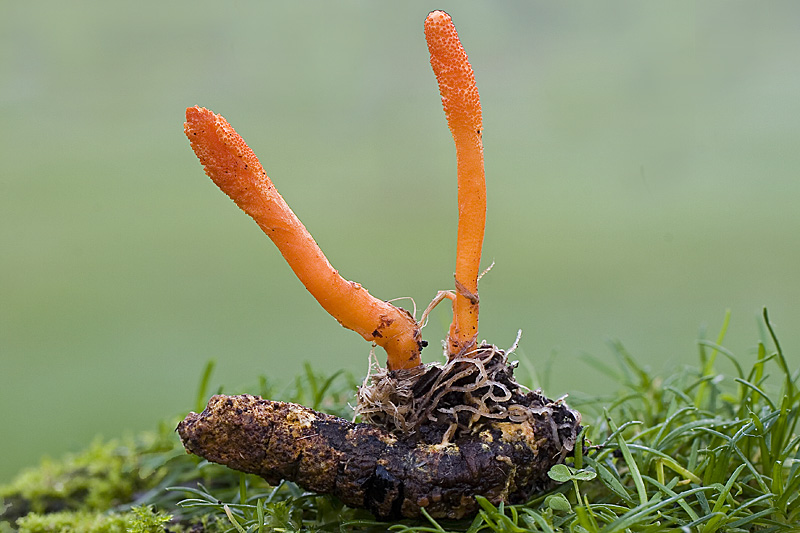
Cordycepsmilitariswildfoodism

Photograph by Jose Ramon Pato

It’s a rare day when I don’t consume a medicinal mushroom (or two or three) in some form or another.  Lately, I’ve been ingesting them in the form of dual-extracted tinctures (first in alcohol, then in hot water, and finally combined), but I also eat them, create hot water decoctions, and will consume supplemental capsules as well.

Why are mushrooms a staple of my health protocol?  After spending years reviewing the scientific literature, in addition to studying the traditional uses amongst different cultures, I’d be doing my body a great disservice by ignoring the information I’ve hunted and gathered.

Medicinal mushrooms, it turns out, have been shown to possess anti-cancer, anti-inflammatory, anti-viral, and immunomodulatory properties.  I discipline myself to stay up-to-date with the current research, and I’ve recently discovered three separate studies that analyzed the anti-tumor effects of three different medicinal mushrooms.

Let’s take a look at them:

Reishi (Ganoderma lucidum)
Also known as lingzhi, reishi mushroom is highly revered in Chinese medicine.  It is one of the most beautiful mushrooms, donning hues of lacquered red, orange, and yellow, and can be found growing as an annual polypore on hardwoods, especially oaks.

A new study looked at the effects of certain compounds derived from reishi mushroom on tumor inhibition in mice with Lewis lung carcinoma (1).  The compounds administered to the mice were beta-glucans, which are polysaccharides found in fungal cell walls.  The mice were divided into 4 groups: a control group (no treatment), radiation only group, beta-glucan only group, and a beta-glucan/radiation combination treatment group.

The results were rather remarkable.  Compared to the the control and radiation-only treatment groups, the groups administered reishi beta-glucans had significant decreases in the volume of  primary tumors, as well as less hair loss and less severe wounds.  They also displayed less incidence of metastasis, which is the spread of cancer from one part of the body to another, and demonstrated significantly longer survival time compared to the groups not receiving reishi mushroom beta-glucans.

Overall, the most inhibitory effects were seen in the mice that received both reishi beta-glucans and radiation therapy, suggesting that reishi mushroom could potentially be a very important complementary treatment to the way conventional medicine currently manages cancer.

Cordyceps (Cordyceps militaris)
Cordyceps has to be one of the most fascinating fungi.  Its mycelium colonizes the pupa or larva of a butterfly or moth, eventually expelling forth the reproductive structure (mushroom) directly from the insect.  Past research has elucidated its aphrodisiac, anti-inflammatory, and antioxidant properties, and new research has discovered that Cordyceps may suppress tumor growth of human malignant melanoma cells.

Published in the International Journal of Oncology, this new study found that an extract of Cordyceps militaris suppressed tumor growth by inducing programmed cellular death on human malignant melanoma cells, a process known as apoptosis (2).  Additionally, the extract displayed anti-angiogenic properties.  Angiogenesis is the process whereby new blood vessels are formed from the preexisting vascular system.  While this is a normal part of the wound healing process, angiogenesis is also involved in tumor progression from the benign to malignant state, and inhibition of this process – for example, through Cordyceps administration – could potentially be a viable way to mitigate cancer progression.

Antrodia salmonea
Antrodia salmonea
is a medicinal mushroom used in traditional Taiwanese medicine to treat diarrhea, hypertension, and liver cancer.   While there is not a substantial body of evidence documenting the medicinal properties of Antrodia salmonea, a few studies have previously analyzed the antioxidant and anti-inflammatory properties of this fungus.

New research published in the Journal of Ethnopharmacology studied the anti-tumor activity of Antrodia salmonea on human promyelocytic leukemia cells (3).  The researchers discovered that administration of the mushroom in vitro and in vivo reduced tumor growth in the cells by inducing apoptosis (programmed cellular death).  In addition to testing their hypothesis on human cells, the researchers performed additional experiments on mice, and found that Antrodia salmonea was effective in delaying tumor incidence by reducing the size of the tumor.  This is the first study to confirm the anti-tumor activity of Antrodia salmonea against human promyelocytic leukemia, a cancer of the white blood cells.

Reishi, Cordyceps militaris, and Antrodia salmonea are certainly not the only fungi that possess anti-tumor properties, as many more members of the fungal kingdom certainly do.  True, the aforementioned studies were not performed on humans, but the results are still promising and warrant further experimentation.

Isn’t it surprising, though, that with all the great research performed around the world, and with documented traditional applications amongst several cultures, mushrooms still have not been accepted as part of conventional Western medical treatment?


Like what you’ve read?  Sign up below to receive notifications for new posts, and don’t forget to check out the Facebook (facebook.com/wildfoodism) and Twitter (twitter.com/wildfoodism) pages to learn more about wild food nutrition and identification!

Thank you!
Adam Haritan
adamheadshot3

signinformwildfoodism

How does the FDA’s new approved artificial sweetener, Advantame, fit into a wild food diet?

advantamewildfoodism

Source: FDA

Well, it doesn’t.

And if you’re not familiar with the latest news coming from the Food and Drug Administration, let me fill you in.  On May 19th, 2014, the FDA publicly approved the release of its 6th artificial sweetener into America’s food supply.  Advantame, as they call it, is derived from aspartame and vanillin, and is 20,000 times sweeter than sucrose.

The FDA has concluded that advantame is safe for use as a general purpose sweetener and flavor enhancer in food, based on 37 studies using animals and humans.  While that statement may provide solace to Americans ingesting this chemical, there are a few things to still keep in mind:

  1. There are no studies detailing advantame’s long-term effects on the human body.  In fact, the long-term study is being conducted now on every human consuming this artificial sweetener.  It may be a few decades before we see the real results, however.
  2. There are no studies documenting the beneficial effects of advantame on the human body.  Sure, researchers may not have witnessed any negative effects experienced by the participants (though remember, most were short-term studies), but what benefits were seen?  With a name like “advantame,” you’d think we’d die without it.  What’s in it for consumers?
  3. Most, if not all, foods containing advantame will be nutrient-poor junk foods.  According to the FDA, advantame can be used in “baked goods, non-alcoholic beverages (including soft drinks), chewing gum, confections and frostings, frozen desserts, gelatins and puddings, jams and jellies, processed fruits and fruit juices, toppings, and syrups” (1).  Put another way, the word “advantame” will be an indicator ingredient – a sort of red flag – for junk food.
  4. Aren’t five FDA approved artificial sweeteners enough?

There are two questions I ask when presented with a novel food.  First, is there a physiological need for this food (i.e. are there proven benefits)?  If no, then is there any evidence of use by traditional cultures?

Advantame fails on both accounts.

My advice?  Consume sugar in its complex package (for example, as fruits), or use sugars that have traditional relevance, such as honey, maple sugar, and maple syrup.

And don’t buy into the hype of advantame … some people are just looking to make a few extra dollars (at the expense of our health, of course).


Like what you’ve read?  Sign up below to receive notifications for new posts, and don’t forget to check out the Facebook page to learn more about wild food nutrition and identification!
-Adam Haritan

7 Natural Tick Repellents From The Plant Kingdom

deertickwildfoodismForaging for food in the supermarket is just a bit different from foraging for food in the wild, wouldn’t you say?

While both scenarios present a set of challenges (in the supermarket:  beating the weekend rush, using coupons before their expiration dates, enduring the dreadful parking lots, etc.), wild food foraging may be known to pose the more immediate threats (misidentification, embracing the elements of nature, etc.).

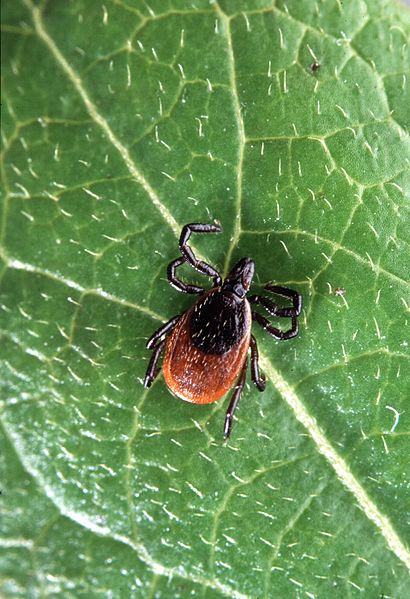
One of the challenges of being a wild food enthusiast in Pennsylvania is exposure to ticks.  These small arachnids, particularly the deer ticks (i.e. blacklegged ticks), are no small threats, as they are vectors for illnesses including Lyme disease, ehrlichiosis, and anaplasmosis.

Typical precautionary measures include wearing long sleeved pants and shirts, wearing light colored clothing to easily spot the presence of ticks, and using repellents.

But which repellents are effective and safe?

DEET is one of the most popular tick repellents, yet researchers question its safety not only on human health, but on the health of the environment as well (1).  Permethrin is another synthetic repellent recommended for protection against ticks, and even though it is indicated for topical application, the EPA classifies this insecticide as a weak carcinogen with toxic effects on fish and aquatic invertebrates (2).

Fortunately, researchers have analyzed alternative (i.e. more natural) ways to protect oneself against deer ticks.  Let’s take a look at some of them:

Cypress
An extract of Alaska cypress (Cupressus nootkatensis) has been shown to be effective at killing nymphal ticks, with effects lasting up to 21 days after treatment (3).  This is important, for the reason that most humans are infected through the bites of these small and barely detectable nymphs. Chinese weeping cypress (Cupressus funebris) has also been shown to effectively repel deer tick nymphs.

Juniper
Junipers are coniferous plants in the cypress family (Cupressaceae).  The same study that analyzed the repellent activity of Alaska cypress found that an extract of Eastern red cedar (Juniperus virginiana) was effective at repelling larval ticks.

Additionally, the oils of common juniper leaves (Juniperus communis) and Chinese juniper wood (Juniperus chinensis) are effective repellents against deer tick nymphs. In one particular study, common juniper leaf oil was just as effective as DEET (4).

Balsam torchwood
Balsam torchwood (Amyris balsamifera) is an aromatic bush whose oil has been used traditionally as an antiseptic.  An essential oil from the plant has been researched and shown to be an effective deer tick repellent (5).

Osage orange
Osage orange (Maclura pomifera) is a small tree in the mulberry family known for its “monkey ball” fruits.  In the same study that analyzed balsam torchwood’s activity against ticks, researchers found that a primary constituent of the essential oil of Osage orange, known as elemol, effectively repelled deer ticks.

Tauroniro tree
The compound isolongifolenone, derived from this Neotropical tree (Humiria balsamifera), has been shown to be an effective insect repellent.  In one study, isolongifolenone repelled deer ticks as effectively as DEET (6).

Geraniol
Geraniol is the main compound found in the oils of rose, palmarosa, and citronella.  It is also a component of geranium oil and lemon oil.  As part of a plant based repellent, geraniol has been shown to be effective against deer ticks (7).

Lemon eucalyptus
Lemon eucalyptus (Corymbia citriodora) is an Australian tree whose oil contains a compound known as menthoglycol.  While no research has looked at its effect on deer ticks, a prospective cross-over field trial showed that application of the oil reduced the number of castor bean ticks attached to human participants by about 63% (8).  The castor bean tick is a European hard-bodied tick that, like the deer tick, can transmit the bacteria responsible for Lyme disease.

And there we have it … seven natural tick repellents that have been scientifically researched for their effectiveness.  Many products derived from the aforementioned plants can be found commercially (i.e. sprays, creams, essential oils).

If you live in an area known to be at high risk of harboring Lyme disease (check out this U.S. map to see if you are), consider implementing safe, yet effective strategies to protect yourself during your time spent in the wild.

Of course, there are many more plants that have the ability to repel ticks; if you have a particular strategy that works well for you, please share with us!


Like what you’ve read?  Sign up below to receive notifications for new posts, and don’t forget to check out the Facebook (facebook.com/wildfoodism) and Twitter (twitter.com/wildfoodism) pages to learn more about wild food nutrition and identification!

Want to connect with naturalists in your area?  Some of them may even be tick-fighting experts!  Check out Learn Your Land to learn more!

Thank you!
Adam Haritan

adamheadshot3

signinformwildfoodism


Is The Healthiest Part Of Dandelion Its Flower?

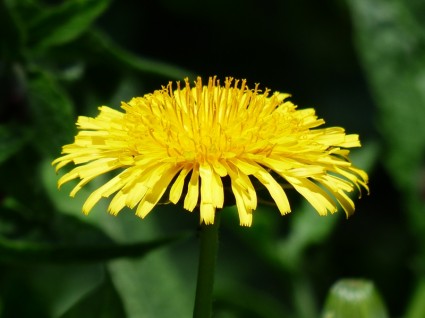
dandelionflowerwildfoodismDandelion is one of those plants whose presence is unavoidable.  Native to Europe and Asia, it is now well established throughout the temperate regions of the world, and can be found growing in lawns, fields, parks, parking lots, and along sidewalks.  While some individuals consider dandelion of no greater dignity than that of a “weed,” all parts of the plant are edible and highly nutritious (that’s right, free food right in your own backyard).

The leaves and roots are great raw or cooked, and bitterness can be mitigated through proper harvesting and processing techniques.  Yet what receives somewhat less attention, other than when discussing wine, is the most conspicuous part of the plant – the flower.

I enjoy dandelion flowers not just because they taste good, but additionally because they contain nutritional benefits in levels that oftentimes exceed those found in the roots and leaves.

Let’s take a look at some of these benefits (1).

Dandelion flowers have higher levels of polyphenols
Polyphenols are compounds synthesized by plants (as well as by animals) that play important biological roles in the life cycles of these organisms.  Whenever we consume foods rich in polyphenols, such as dandelion, we receive benefits that may aid in the prevention of degenerative diseases, particularly cardiovascular disease and cancer.

The aerial parts of dandelion, especially the flowers, contain approximately 115 times the polyphenol content than that found in the roots (9.9 ± 0.28 g polyphenols per 100 g dandelion flower extract vs. 0.086 ± 0.003 g polyphenols per 100 g dandelion root extract).

Dandelion flowers have greater antioxidant properties
Oxidation is a natural process in the human body that, if left unchecked, can result in conditions such as atherosclerosis, diabetes, and Alzheimer’s disease (just to name a few).  Antioxidants combat the process of oxidation, and can be produced internally as well as provided externally through the consumption of antioxidant-rich foods.

One highly reactive molecule involved in oxidation is the hydroxyl radical, which causes damage to DNA, membrane lipids, and tissues within the body.  Compared to the roots, stems, and leaves of dandelion, an ethyl acetate and water extract of dandelion flowers have been shown to provide the most efficient inhibition of the hydroxyl radical, followed by an aqueous extract of the stems.  The inhibition may be caused by the higher number of polyphenols found within the flowers, including the caffeic and chlorogenic acids, and the flavones luteolin and luteolin 7-O-glucoside.

Dandelion flowers are anti-inflammatory
Research has shown that dandelion flowers mitigate inflammation in rats who experience carrageenan-induced paw edema.  A methanolic extract of the flower provides the most significant inhibition (95%), compared to the leaves (69%) and roots (51%).

Dandelion flowers may owe their anti-inflammatory effects to their polyphenols, in particular luteolin and luteolin 7-O-glucoside.  Research suggests that these compounds may downregulate both inducible nitric oxide synthase (iNOS) and cyclooxygenase 2 (COX-2) – two enzymes involved in the inflammation process.

Dandelion flowers may act as chemopreventive agents
Angiogenesis is the process whereby new blood vessels are formed from the preexisting vascular system.  While this is a normal part of the wound healing process, angiogenesis is also involved in tumor progression from the benign to malignant state.

Ethanolic extracts of dandelion flowers and leaves have been shown to possess anti-angiogenic activity, and this may result from the actions of flavonoid compounds such as luteolin.  This suggests that the aerial components of dandelion may play an important complementary role in cancer treatment and prevention.

Dandelion flowers undoubtedly possess many more healing properties that await the discovery of future research.  What we know at this point is that these reproductive structures are rich in polyphenols, they possess great antioxidant potential, they’re anti-inflammatory, and they may play a role in chemoprevention.

And while the title of this article may be a bit bold (I mean, how do you really define the term “healthiest?”), the reality is that the entire organism – Taraxacum officinale – is highly nutritious and medicinal.  In addition to the benefits previously stated, research has suggested that dandelion possesses hepatoprotective, choleretic, and diuretic properties, and that the plant is a superior source of several vitamins, minerals, protein, and fiber compared to other commonly eaten salad greens.

Which makes me wonder:  Why isn’t dandelion recommended as the green of choice by nutrition experts, especially when it is so nutrient dense and readily available?

Thanks for reading, and as always … happy foraging!


Like what you’ve read and/or seen?  Sign up below to receive notifications for new posts, and don’t forget to check out the Facebook (facebook.com/wildfoodism) and Twitter (twitter.com/wildfoodism) pages to learn more about wild food nutrition and identification!

Thank you!
Adam Haritan

adamheadshot3

signinformwildfoodism

5 Unique Health Benefits Of Morel Mushrooms

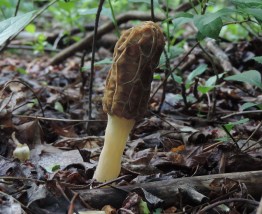
morelFor mushroom hunters in the temperate regions of the Northern and Southern Hemispheres, nothing signifies the beginning of spring more than the first appearance of morel mushrooms (Morchella spp.).  These organisms are arguably considered among the most prized edible fungi on the planet, and it’s not uncommon to see them fetching a price of a few hundred dollars per dried pound in the market.

While morels are some of the easiest mushrooms to identify, a few look-alikes exist… some of them benign, some a bit toxic.  For detailed information on finding and identifying morel mushrooms, check out another article from this blog:  How To Find And Identify Morel Mushrooms.

While most morel enthusiasts cherish this particular mushroom for its exceptional taste and culinary applicability, less attention is given to its physiological effects on the body.  This is unfortunate, because, like many members of the fungal kingdom, morel mushrooms possess important nutritional and medicinal properties that can play key roles in optimizing the health of those who consume them.

Let’s take a look at some of these unique characteristics, focusing on one species of yellow morel mushroom, Morchella esculenta.

Update: Good news!  I just put most of this information into a short video.  If you’re the kind of person who would rather watch a video than read an article, enjoy!

If you’re not, carry on…

Vitamin D

Mushrooms exposed to sunlight or UV radiation are great sources of dietary vitamin D2 (ergocalciferol).  While most vitamin D supplements contain D3 (cholecalciferol), dietary D2 from mushrooms has been shown to be as effective as vitamin D2 and D3 supplements in raising and maintaining 25(OH)D levels (1).

Morel mushrooms contain approximately 206 IUs of vitamin D2 per 100 grams of fresh material (2).

Protection against drug side effects

Pharmaceutical drugs are commonly known to create side effects, and cisplatin (a chemotherapy drug) and gentamicin (an antibiotic) are no exceptions.  When given to mice, these drugs can deplete the internal antioxidant defense system and induce kidney failure.

Research shows, however, that an aqueous-ethanol (water and alcohol) extract from cultivated morel mycelium has the remarkable ability to enhance the internal antioxidant defense system, thereby protecting against toxicity caused by the chemotherapy and antibiotic drugs (3).

Antioxidants

Oxidative stress is associated with numerous conditions, such as cardiovascular disease, Parkinson’s disease, and diabetes types 1 and 2.  Consuming antioxidant-rich food, therefore, is an important strategy to protect against this internal damage.

Studies have shown that extracts from morel mycelium are effective in combating oxidation.  This is primarily accomplished through the scavenging of damaging molecules known as reactive oxygen species (ROS), including the superoxide, hydroxyl, and nitric oxide radicals (4).

Antioxidants from morel mushrooms have also been shown to inhibit lipid peroxidation – a process involving tissue damage which, if left unchecked, can lead to inflammation and cancer (5).

Liver protection

Carbon tetrachloride (CCl4) is an inorganic compound which has been linked to disorders of the central nervous system and kidneys.  Research on animals has shown that administration of CCl4 with ethanol damages the liver by, among other things, depleting internal antioxidant stores.  When supplied with an extract of morel mycelium, however, protection is provided against liver damage, and antioxidant reserves can be restored.

This suggests that morel mushroom mycelium may provide therapeutic use as a liver-protecting agent (6).

Immune system activity

A 2002 study analyzed the immuno-stimulatory property of a unique polysaccharide isolated from the morel mushroom.  Known as galactomannan, this compound comprises 2.0% of the dry fungal material, and may work on both innate immunity and adaptive immunity by enhancing macrophage activity (7).

Conclusion

In summary, morel mushrooms are excellent wild foods to add to your diet.  While they can be rather expensive at the supermarket, foraging provides a better option (in my opinion), though caution must be taken so as not to confuse this mushroom with the toxic false morel (genus Gyromitra).  The biggest difference is that morels are hollow when cut in half lengthwise, while Gyromitras, which are typically a shade of reddish brown, are stuffed or chambered.  Check out How To Find And Identify Morel Mushrooms to learn more.

Of course, just knowing this information is no substitute for attending a mushroom walk or foray and having a trusted identifier discern for you the edible from the toxic.

Happy morel hunting!


Let’s stay in touch!  To receive information from Adam Haritan on wild plant and mushroom identification, please enter your name and email address below.  Thank you!

LearnYourLandnewsletter

Additionally, don’t forget to check out the Facebook and Instagram pages to learn more about wild food nutrition and identification!

Adam Haritan

AdamReishi2017